
Well, we made it, the end of the Yeovil branch line; Taunton. I hope you have enjoyed our little journey along the old line. We have covered all of the stations and halts along the way, including Langport West, Martock, and even Lyng; which was small, but still part of the line.
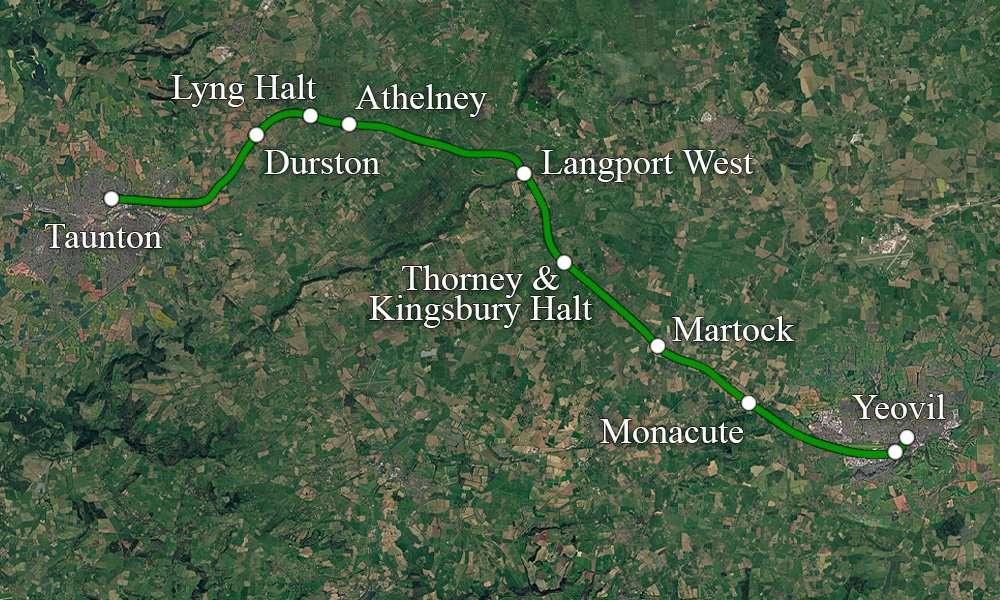
If you have been following my blog, you will know that Durston was the original end of the line. That is until they extended it to Taunton in later years.
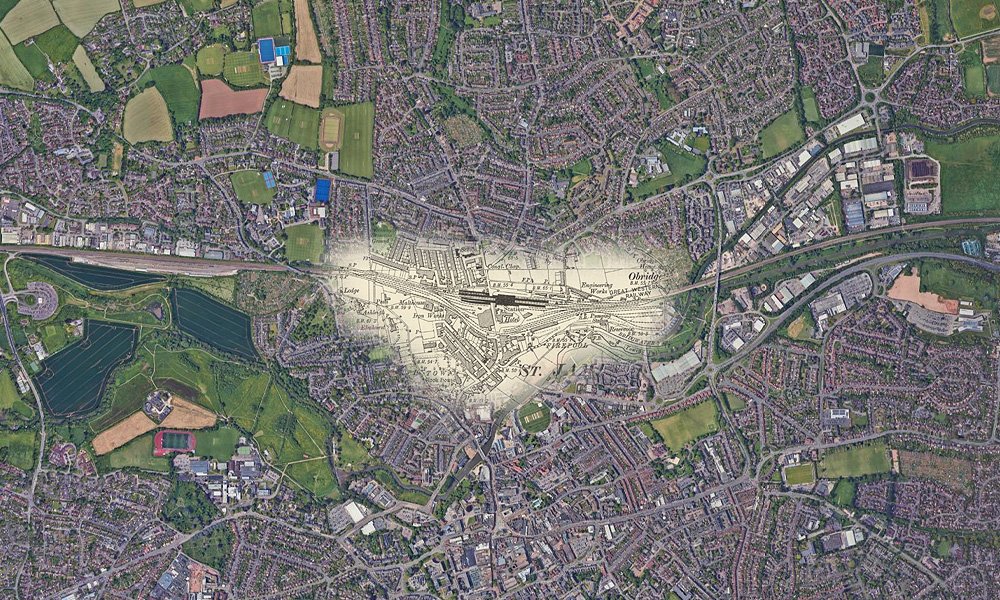
Taunton is still a very busy station on the Bristol to Exeter line, the Reading to Taunton line, and the Cross Country Route. Originally opened on the 1st July 1842 it was part of the Bristol and Exeter Railway.
Isambard Kingdom Brunel’s original design was for a single-sided station with two platforms. Shall we look at some old photos of the station?
Photos of Taunton
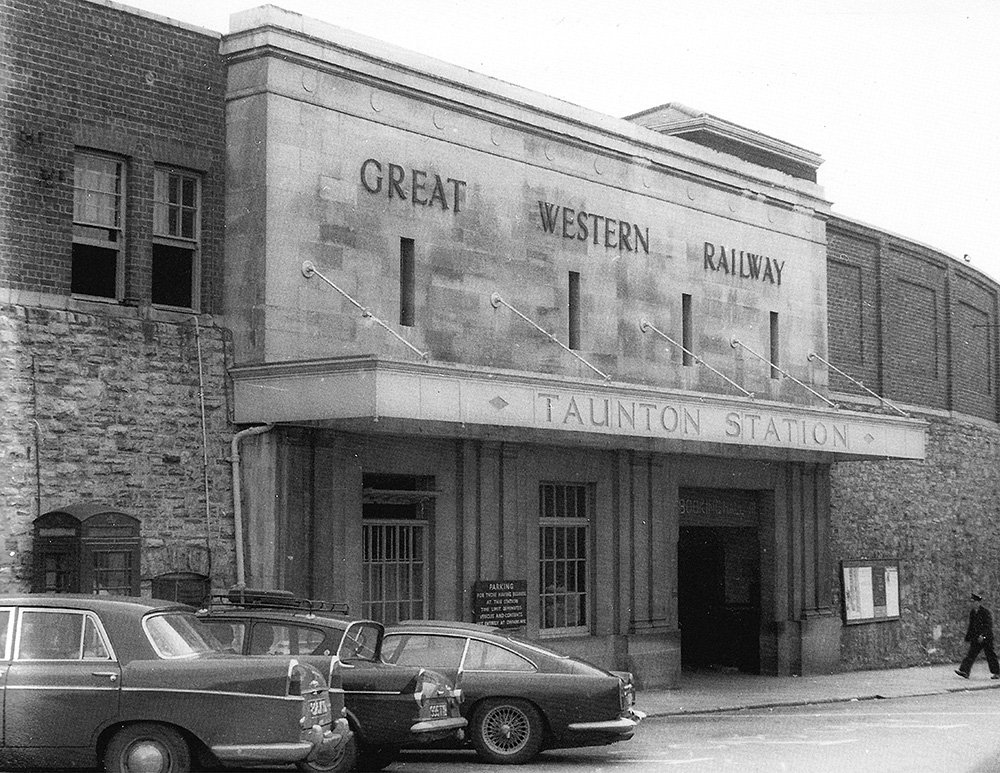
Here is the 1931 rebuilding which involved widening the station and providing a new entrance on the up side. It was an impressive sight for anyone ready for a day out on the train. Image by C. L. Caddy.
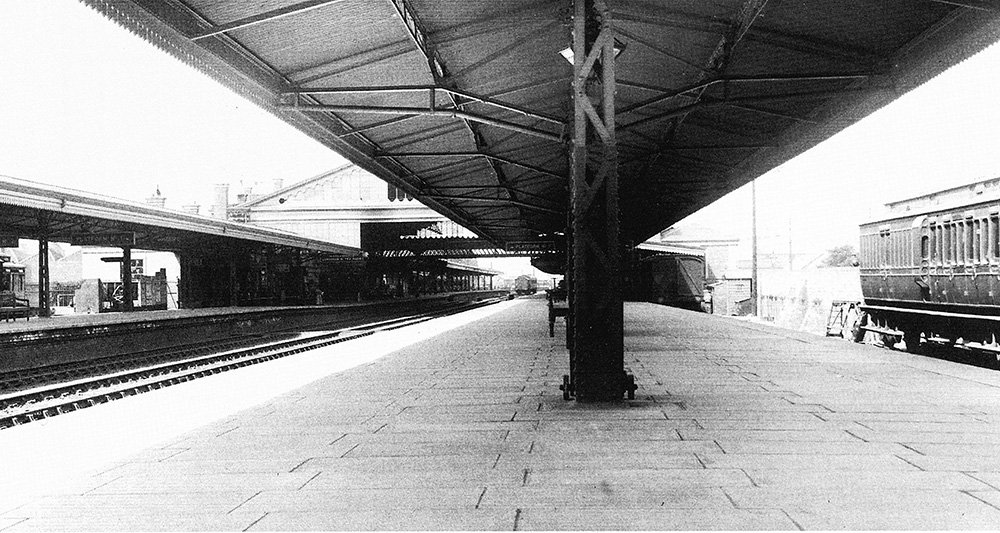
A westward view from 1921 shows the overall roof, which the railway removed before providing four through platforms in 1931. The two platforms on the left were retains, the bay (numbered 2), usually accommodating the Chard trains. Image by LGRP/NRM.
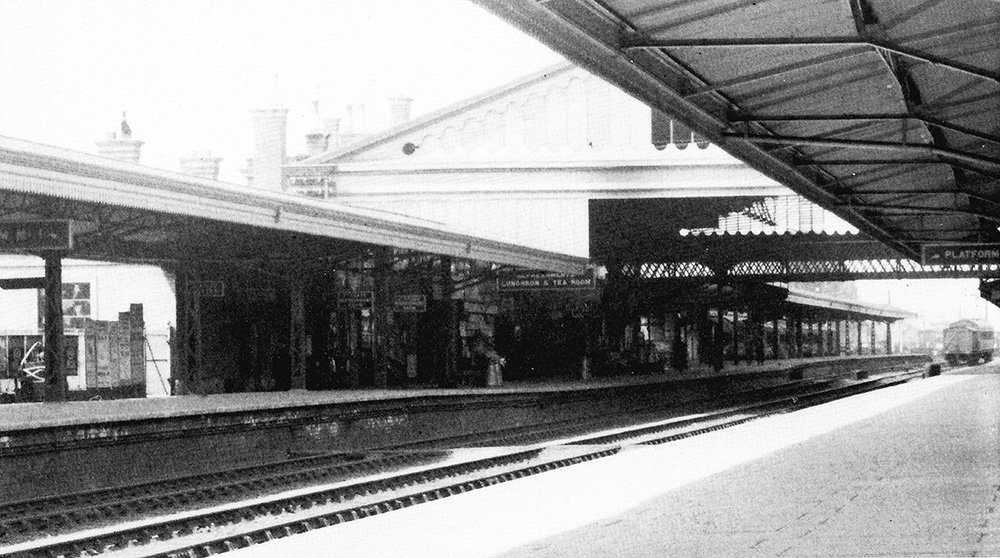
The 1868 rebuild involved providing a roof over the through lines and platforms. Here we see the roof again from the up platform in 1921, along with the Luncheon and Tea Room, before “buffet” became popular parlance. The footbridge is also visible; a subway replaced it in 1931. Image by LGRP/NRM.
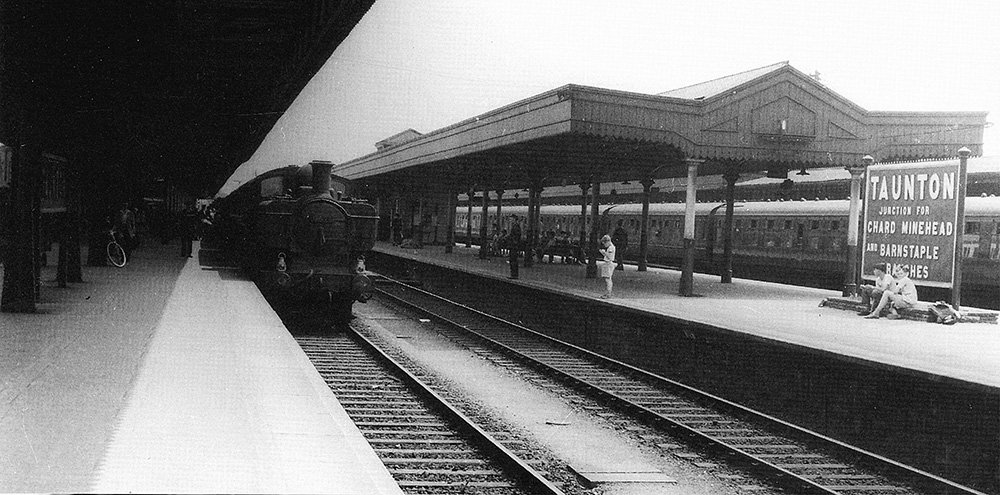
After a rebuilding completed in Aug 1868, the original platform (on the left) continued to be numbered 1 and the new island platform became 5 and 6. The layout required four mechanical signal boxes, but since 1985 a panel at the Exeter Signalling Centre has controlled the much simplified layout. Image by Lens of Sutton.
Locos at Taunton
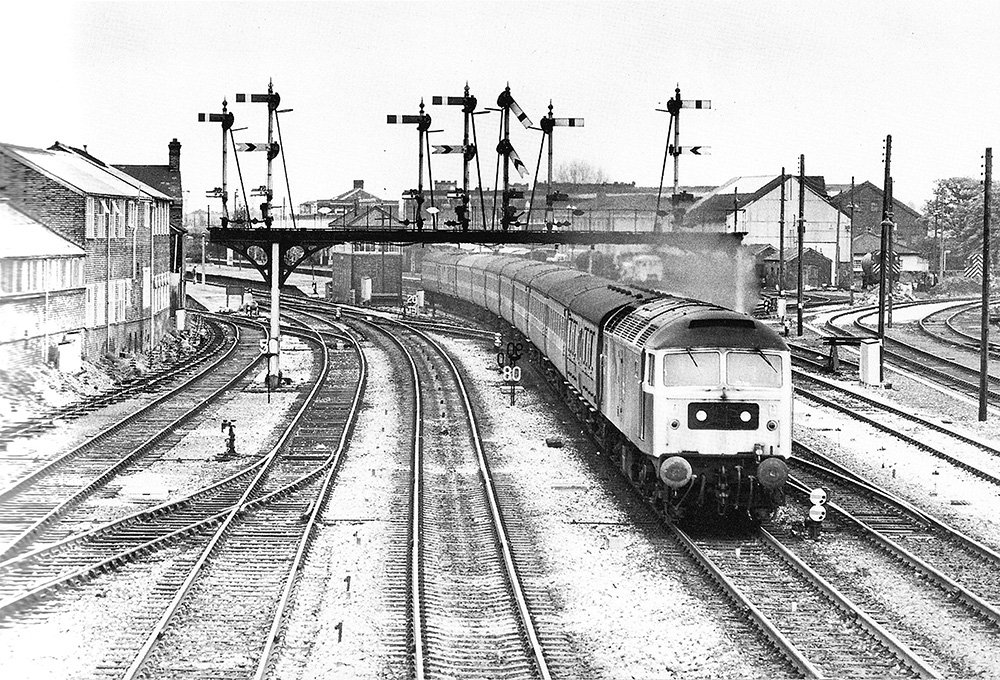
An overview at Taunton station, on the right is the double track which enabled goods trains to bypass the station. The provision ceased in 1986. No 47443 was pictured running non-sop through the station on the 12th May 1979. The former locomotive repair shot is on the right, clad with white sheeting, the engine shed had been behind it. Image by T. Heavyside.
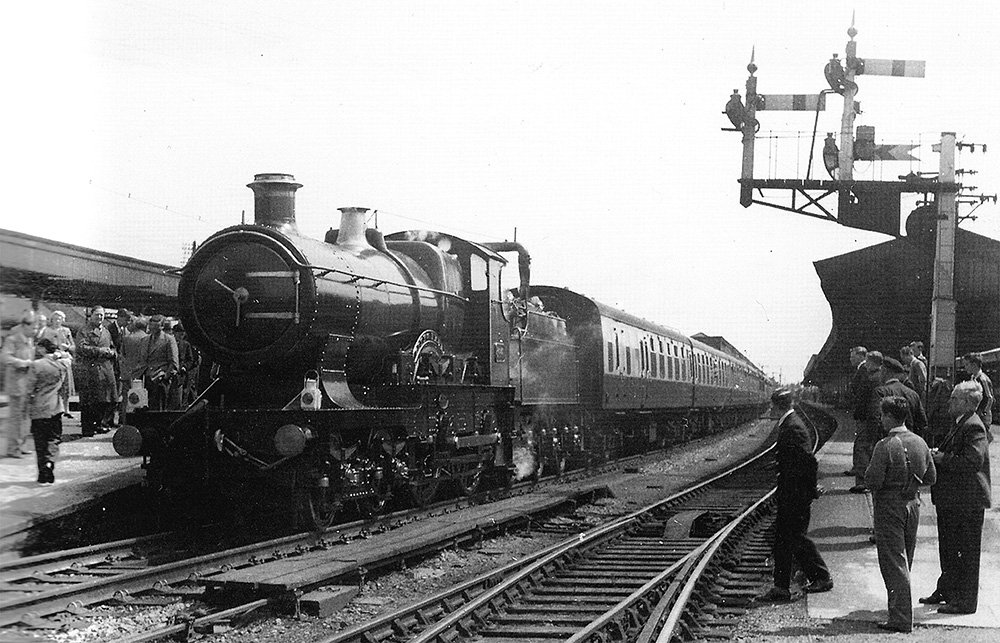
No 3440 City of Truro ran on a special train from Swindon to Kingswear on 19 June 1957. It had only recently ceased to be a long-term museum resident; it made its claim to fame on its descent from Whiteball Tunnel with a four-coach up train on 9 May 1904 at 102.3 mph, claiming the world record. Image by M. Farr.
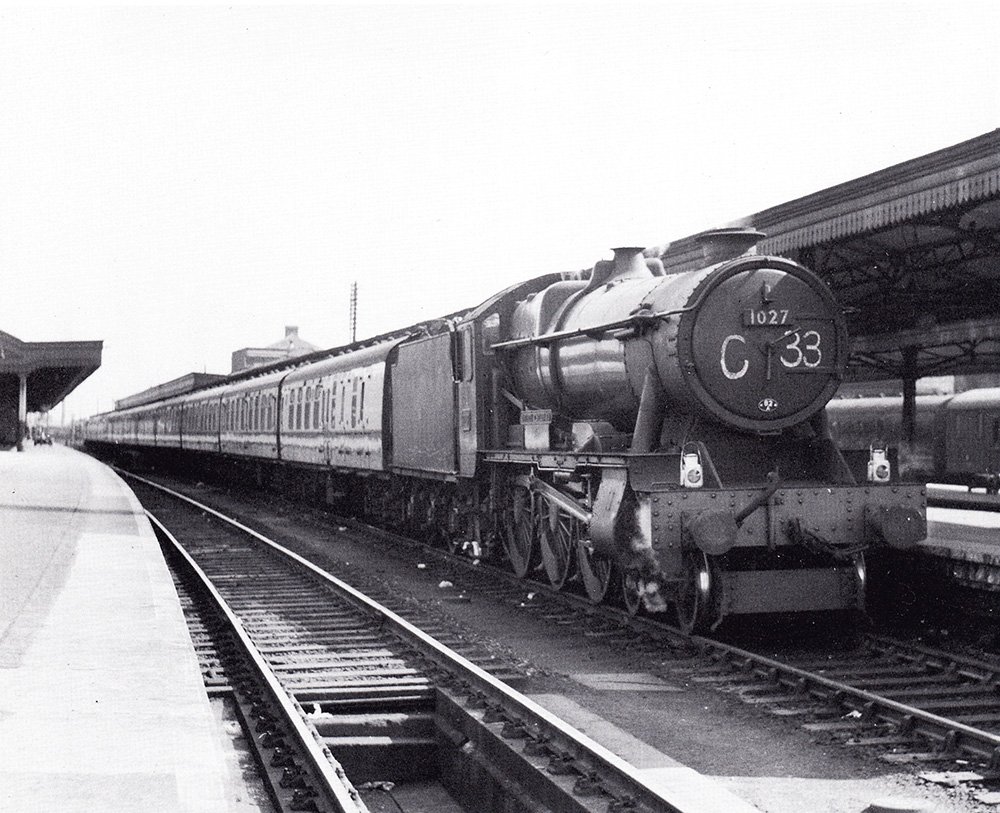
Platforms 3 and 4 are on the right, these bays were usually used for Minehead and Barnstaple departures. No 1027 County of Stafford heads the down “Cornishman” from the Midlands on the 5th Sept 1960. The 82A on the front, indicates that the locomotive was based at Bristol Bath Road. Image by T. Heavyside.
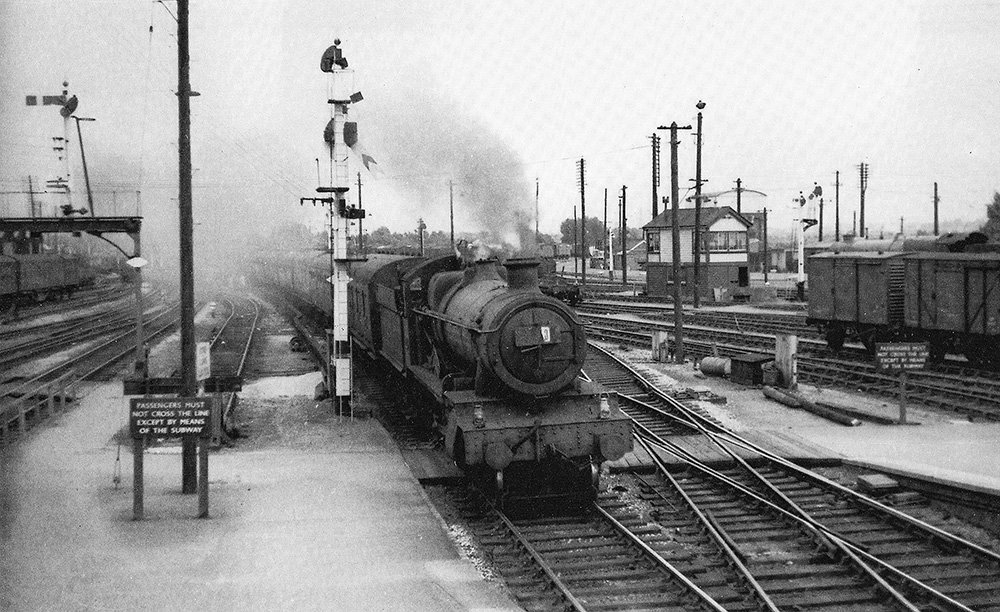
Here we see the boards are off as 4-6-0 No 6834 ‘Drummer Grange’ heads through Taunton with a down express for Paignton on 27th June 1959. To the right stands Taunton East goods loop signal box, and just above the box vans on the right can bee seen the outline of No 6009 ‘King Charles II’, coming off the shed in readiness to work the Minehead to Paignton train. Image by J. Cornelius.
Up Next
There is plenty more of Taunton to see, but I’m going to pause it now. I still have to get up to Taunton Station, but the weather is against me, but then, it is now winter. Every time I plan to get up there, it rains; I think I’m going to have to sneak up on it.
The plan for the premiere of the Yeovil to Taunton line is moving forward. There are talks of different locations for everyone to see the show. I am also planning a new video with some movie footage of Yeovil from the 1960s – 70s. It’s all wonderful footage and I would like to do as much ‘then and now’ footage as possible, but again it’s down to the weather. The good thing is, most of the locations are walking distance, so I can get them done before the rain comes.
Thank you to Derek Philips for the use of his images from his book: Working Yeovil to Taunton Steam. It’s a wonderful book, with lots more images, insight and stories, that is worth reading if you loved the line. Also than you to Middleton Press for the use of their images.