
We’re still not quite in Cornwall yet. I had to look it up to confirm, but Coryton is in Devon, but we’re nearly at the end of the line.
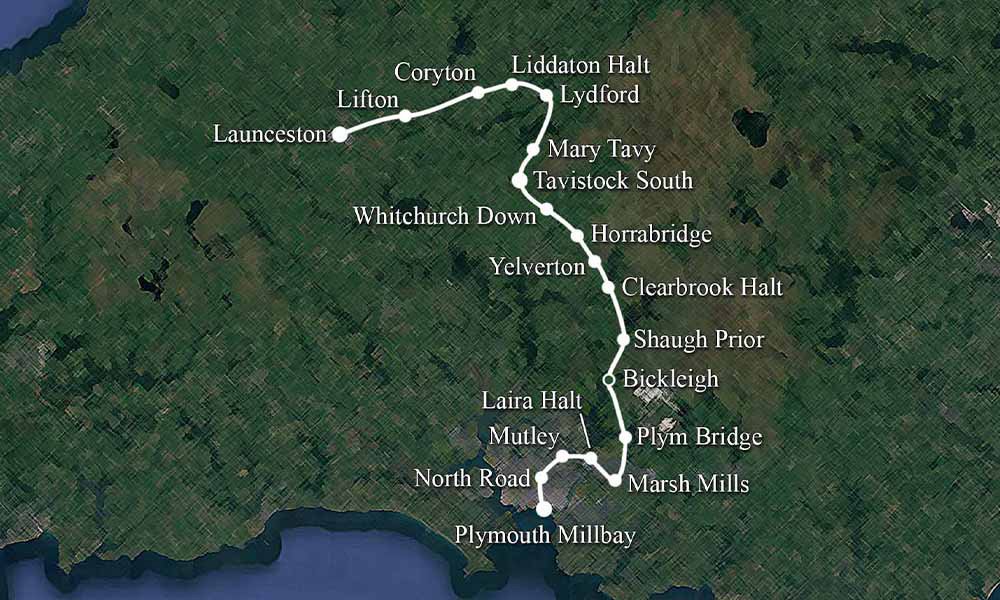
The station at Coryton was, like Liddaton, in the middle of nowhere, but vital to the people of the area.
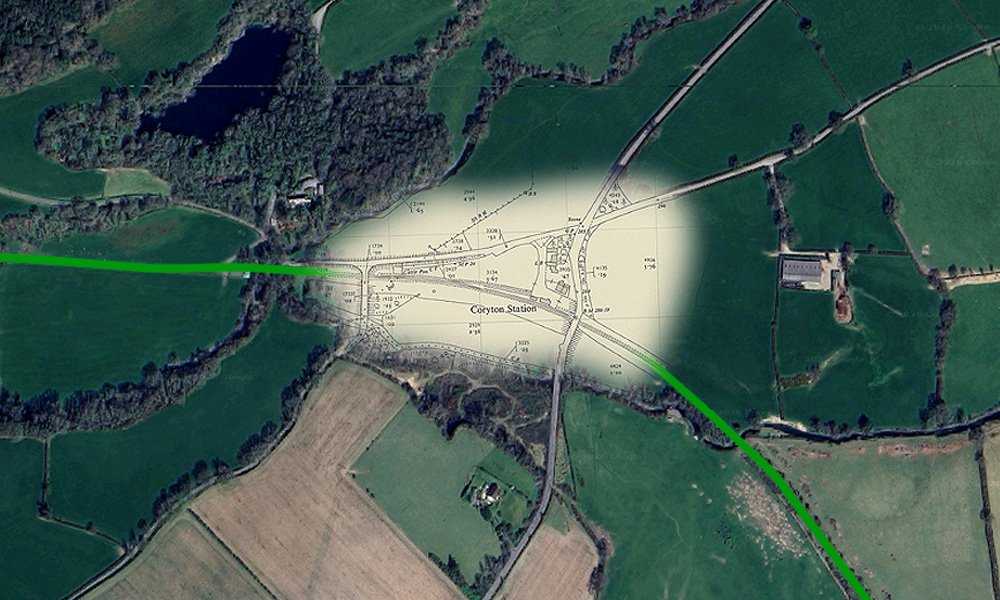
When the Plymouth to Launceston branch opened in 1865, Coryton was one of the original stations, and served the local area. The platform was on the right of trains going towards Launceston. It was unstaffed from 14 September 1959 but was retained until the closure of the line on 31 December 1962.
As of information via Wiki, the Station Masters house still exist today, and is a private dwelling.
Photos of Coryton
The station was described as some, as like going back in time.
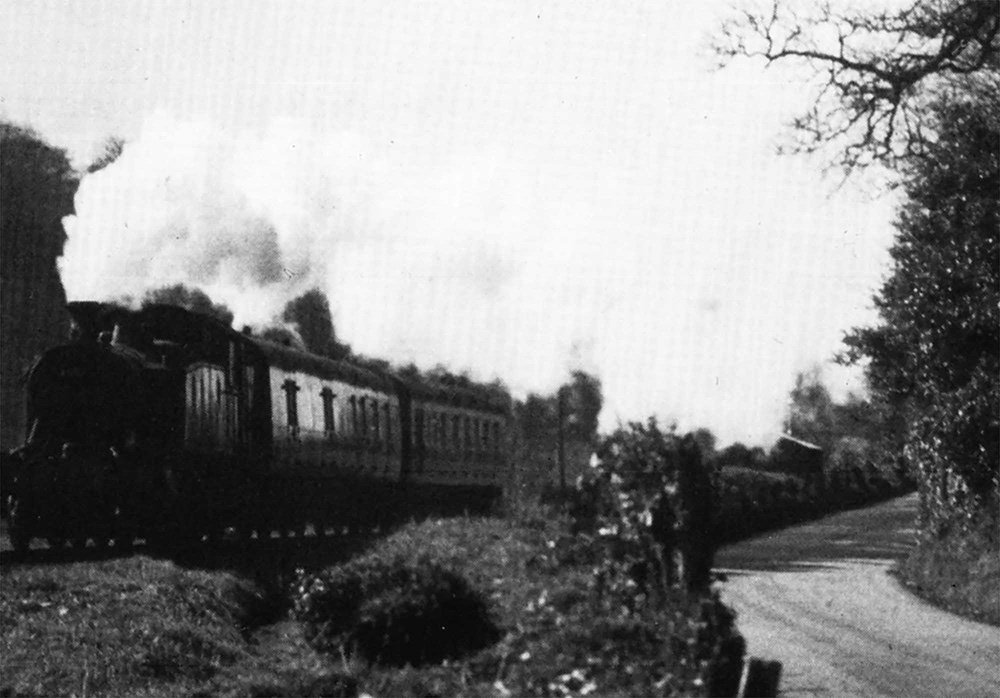
Not the best of images, but No 4591 heading west, just past Sydenham House, heading to Coryton station, during the summer of 1962. Image by R. M. Pollinger.
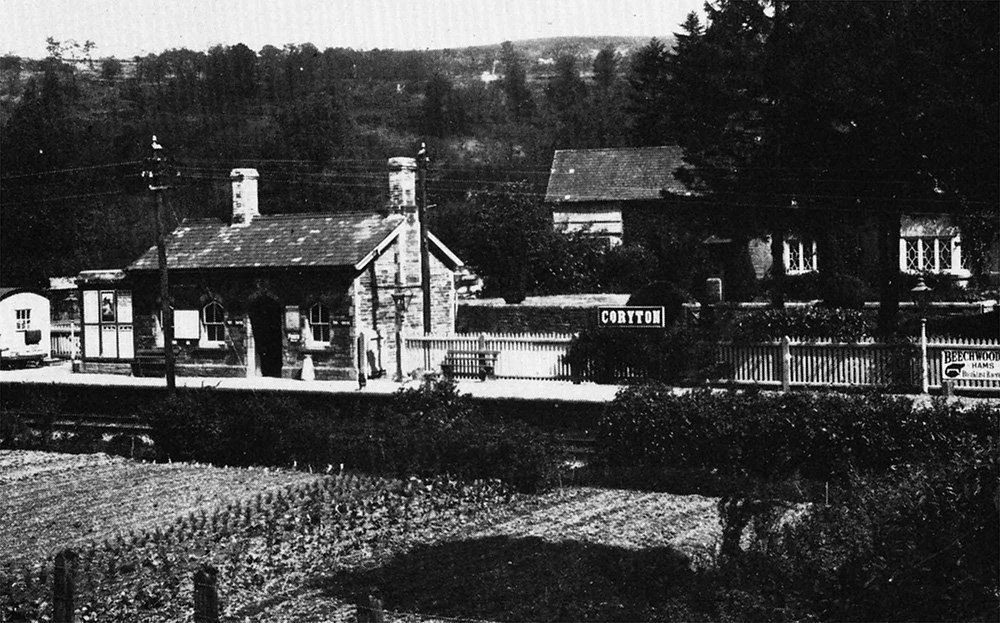
Here is the station in 1920 and shows how picturesque the station was. In the foreground, you can see nice and orderly allotments. Image by Chapman & Son.
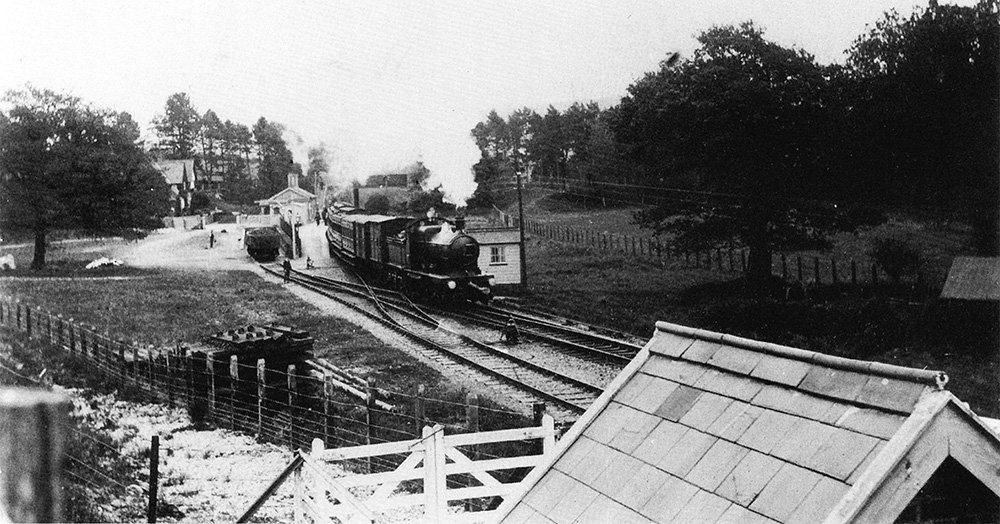
A class 3521 4-4-0 proceeds towards Launceston with what is probably a special train. The complicated scissors crossing was replaced by a trailing connection in the up direction in 1943. You can also see the ground frame hut and loading dock are visible. Image from the M. Dart coll.
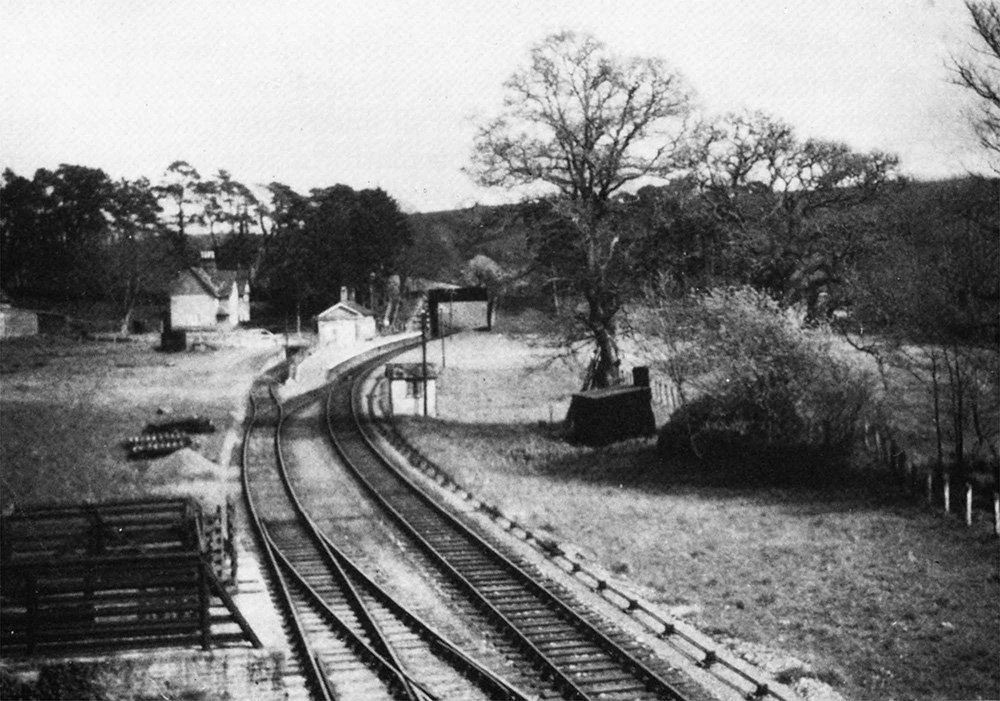
Here is a general overview of Coryton in April 1957, taken from the overbridge and looking towards the east. Image by P. M. Pollinger.
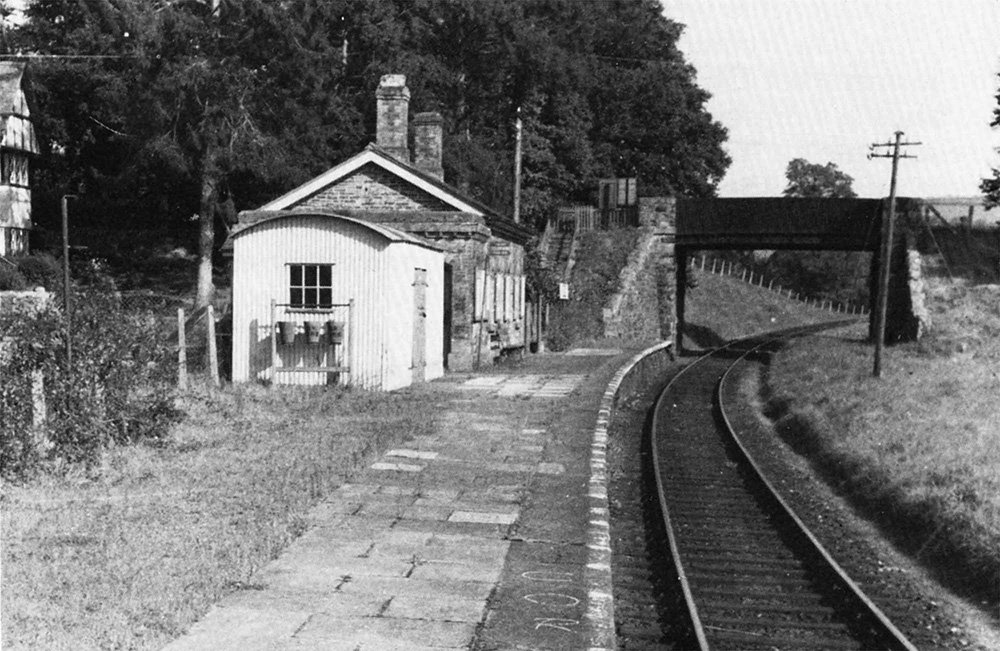
Isn’t this view picture perfect, another general view of the station, again, looking eastwards, taken around 1959. Image by Lens of Sutton.
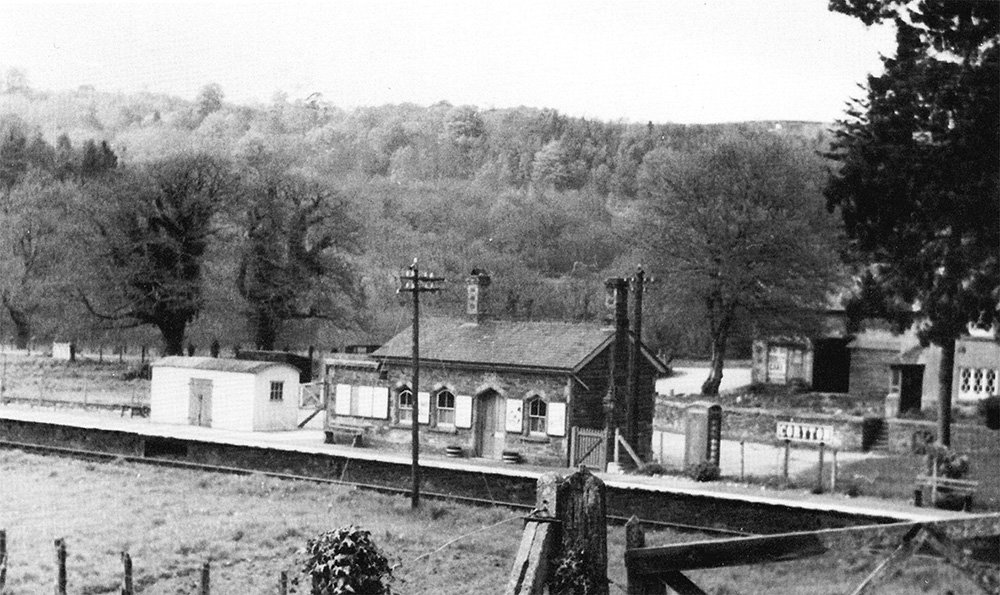
Another beautiful overview of the station. Large tonnages of manganese had been loaded here in the 1870s, but traffic was very light thereafter. The parcels shed (on the left) was adequate for the limited business offering, but eventually, in 1959, staffing ceased. Image from the M. Dart coll.
In the Last Days
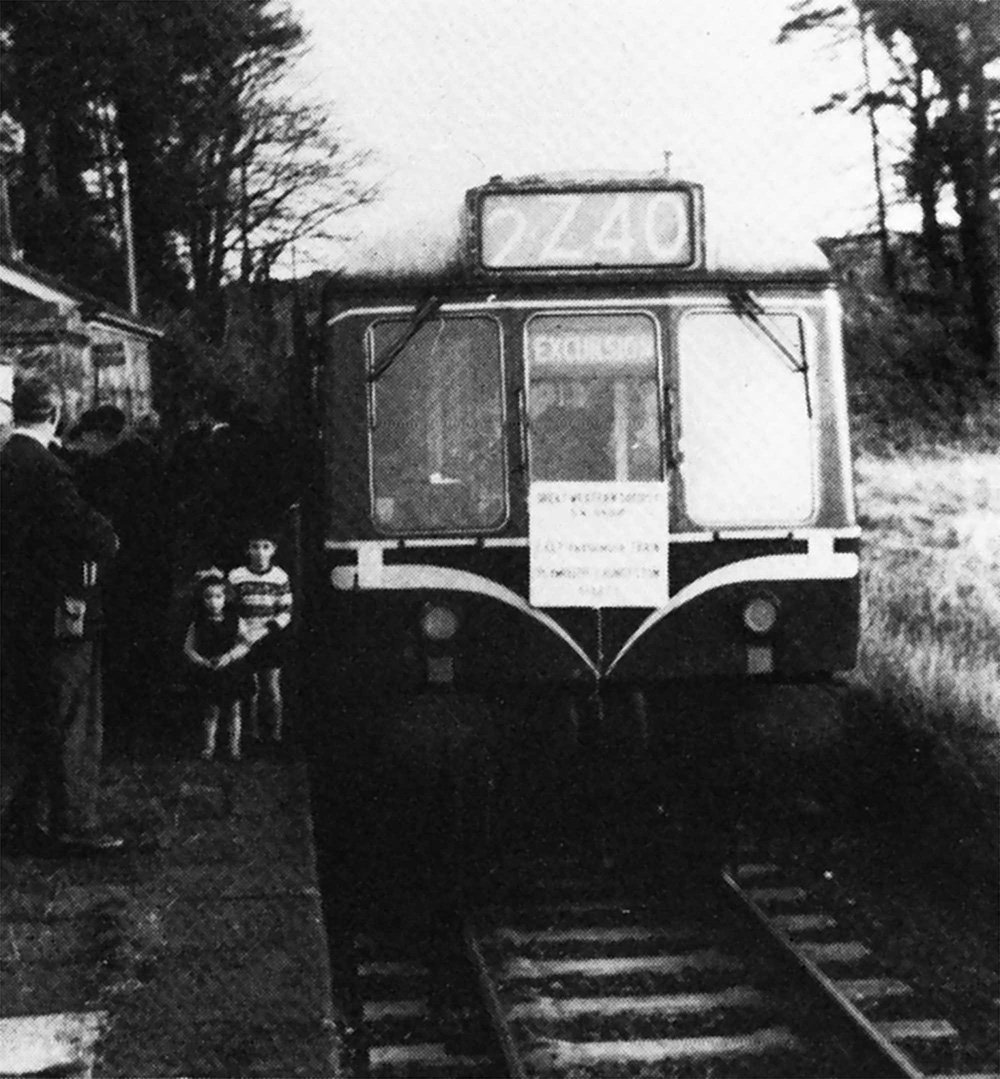
Taken by Anthony Kingdom himself, here are his young son and daughter posing for the camera at Coryton, on the 11th December 1965. The occasion was the last passenger train direct from Plymouth to Launceston run by the GW Society (SW Group). Image by Anthony Kingdom.
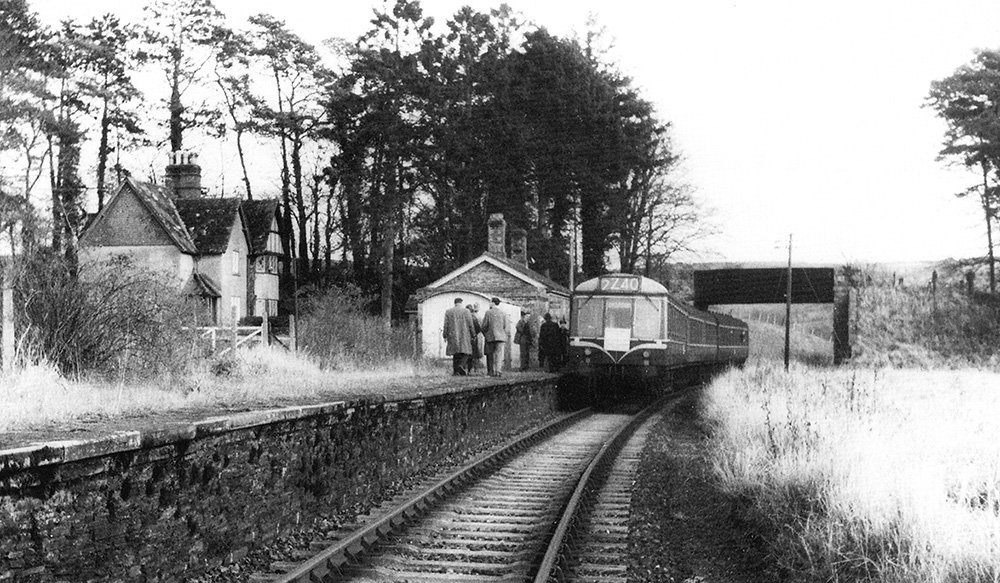
Again, on the 11th of December 1965, this time letting the passengers see the track that had been re-laid with concrete sleepers. Image by C. L. Caddy.
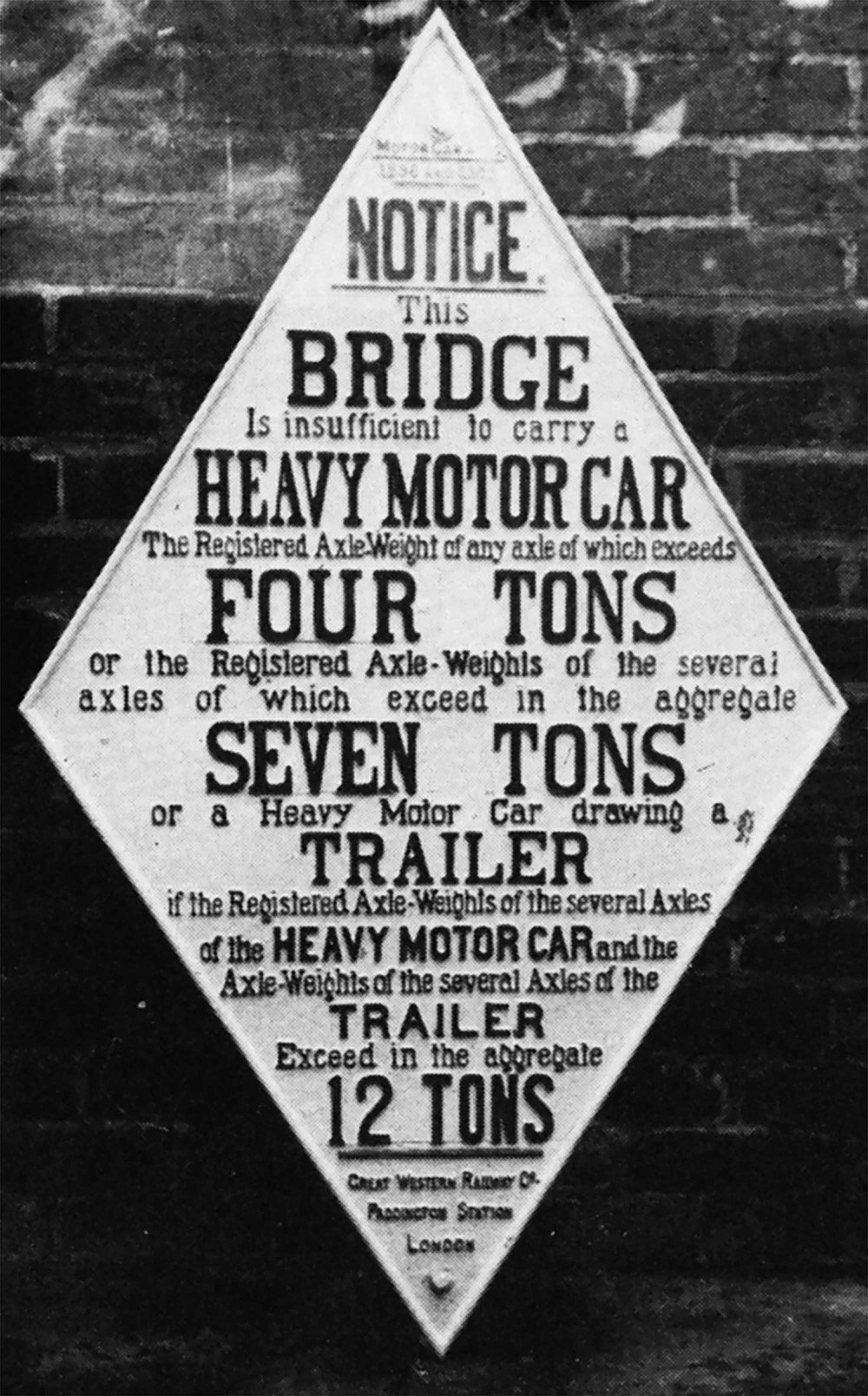
After the closure of the line, not many of the stations or halts survived. This was the Bridge weight restriction notice recovered from Coryton. It has now been restored and is at the GWR Museum at Didcot. Image by Anthony Kingdom.
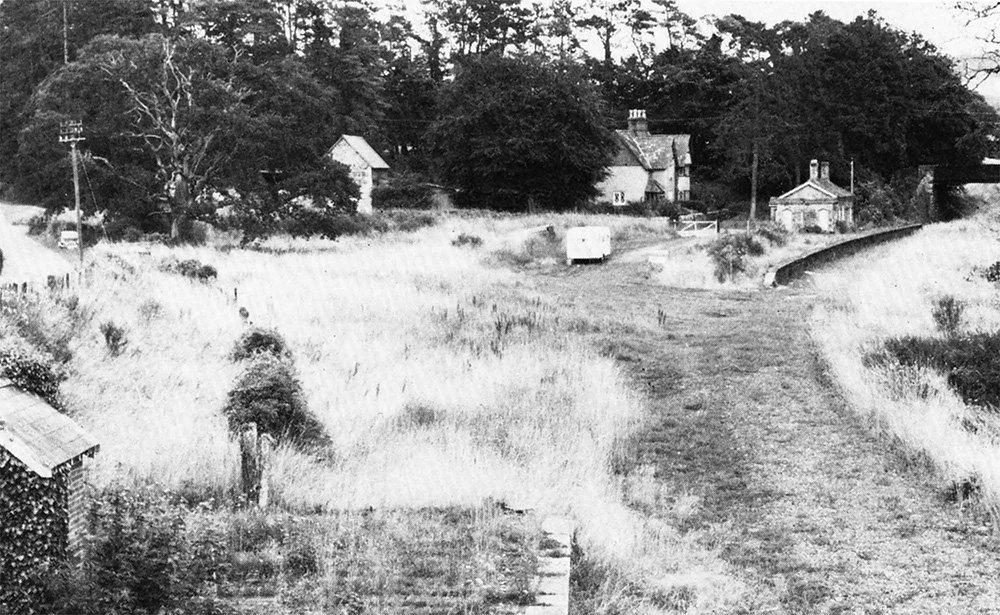
This is the end of the line, well, the end of the track bed at Coryton. This was taken in July 1967, looking east. The station building now survives, as a private house.
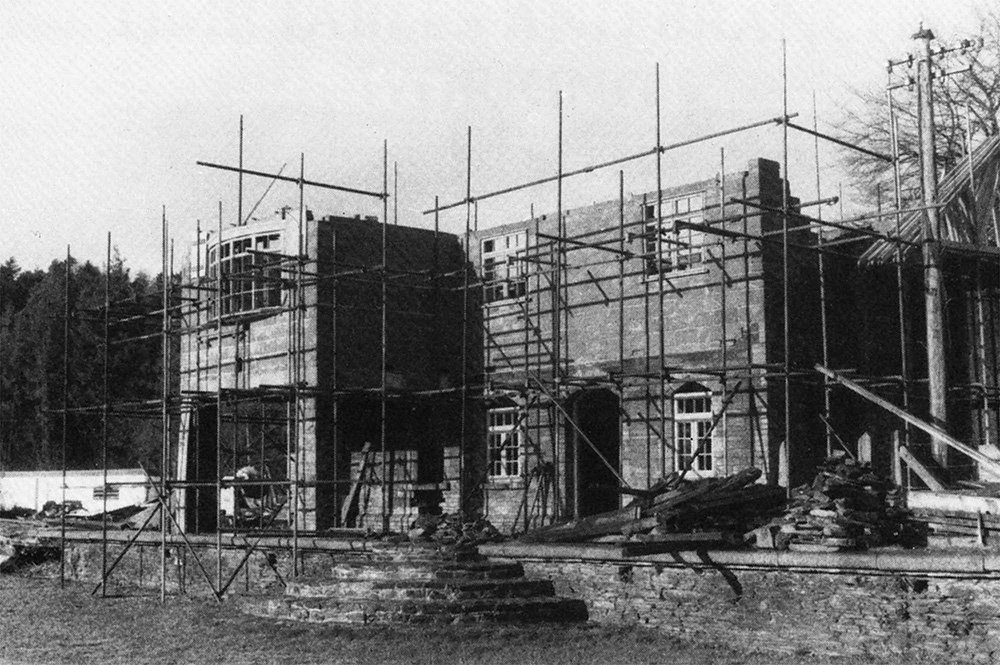
In 1974, the station had major works and was reconstructed. It kept it’s original charm, although no trains would be entering the area again. Image by R. M. Pollinger.
Coryton Today
Sadly, there is very little to see at Coryton today, and it’s impossible to get a good view via Google Maps.
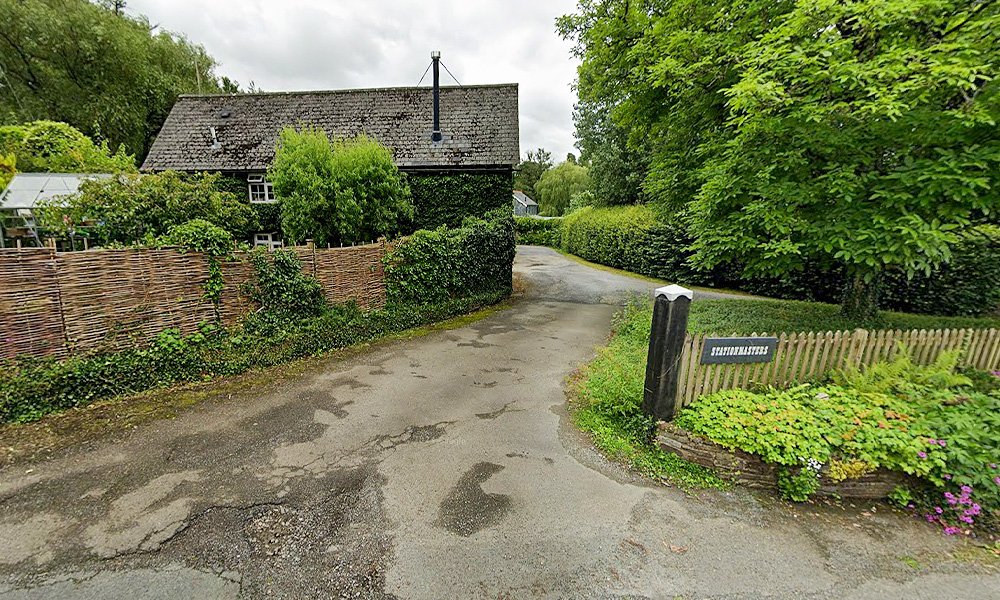
This image is from Google Maps, and shows the back of the main house, with the restored station building now behind here, in the private back garden.
However, dad and I filmed there in 1995 and had permission to see the house and gardens.
Next Up
As I said, there’s now only one more stop before we head into Launceston, Cornwall.
I would like to thank Anthony Kingdom and Middleton Press for the use of their images from their books. The books about the line from Plymouth to Launceston are certainly worth reading, as they go into so much more detail about the history of the branch line.