
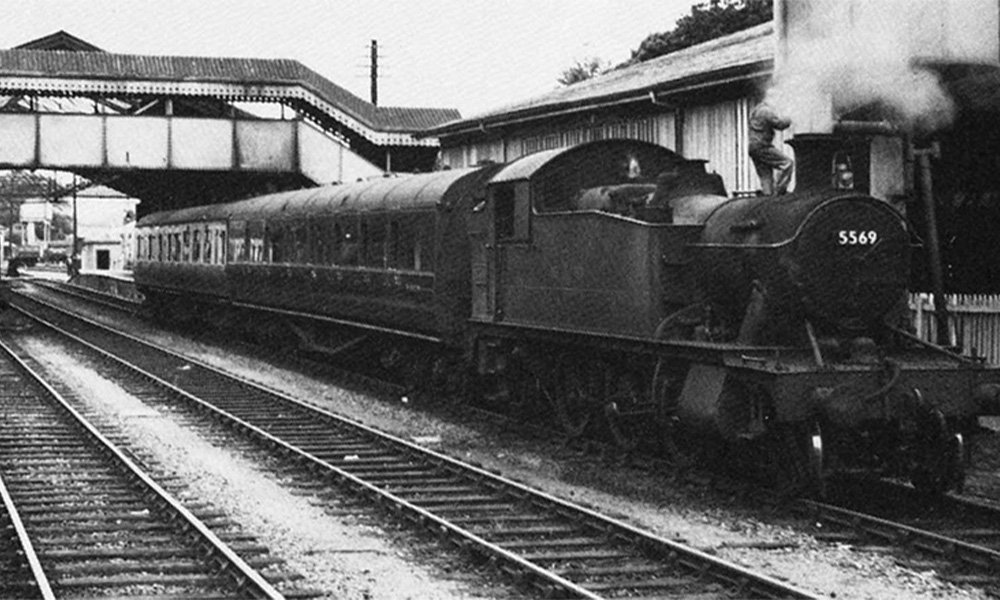
The video that these blog posts are was called Plymouth to Launceston via Tavistock South. Dad had a thing about very long titles to our videos. I’ve covered most of the stations and halts on the line from Plymouth, Tavistock South is the next stop.
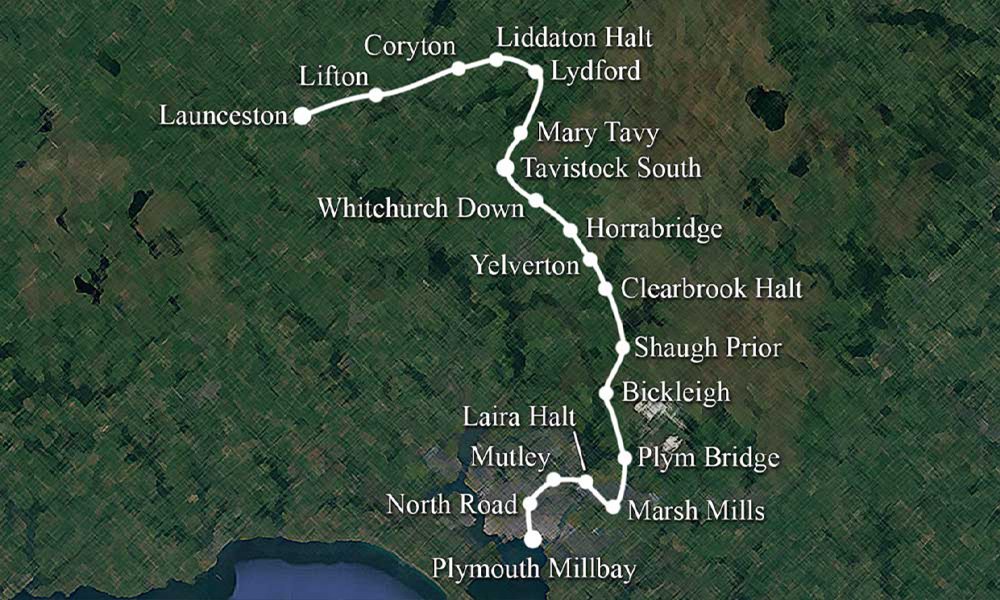
Just a few more stops, and we finally arrive in Launceston. Tavistock had two station, North and South, which are both marked on this map.
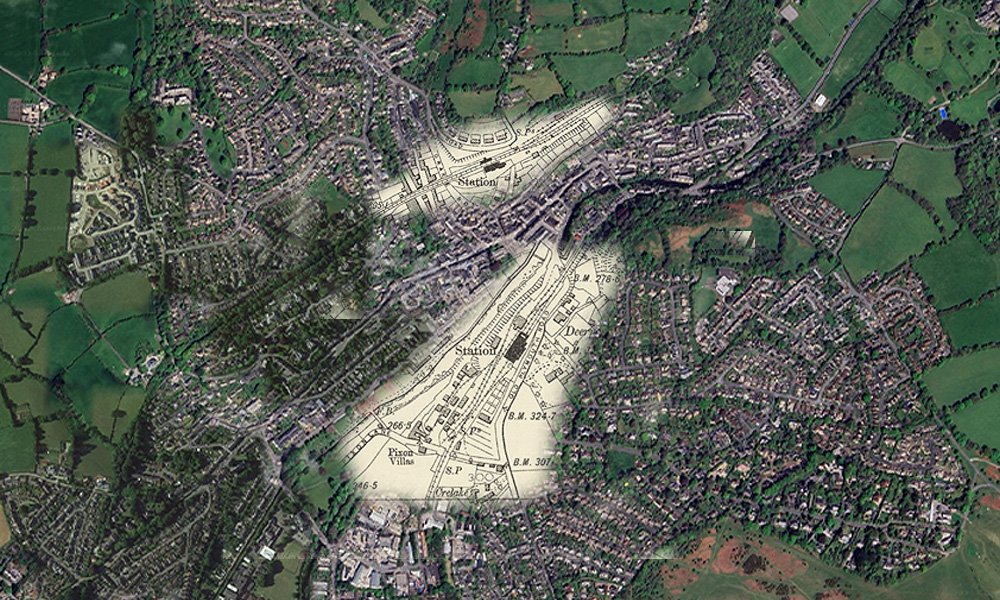
About Tavistock South
After 1949, people knew it as Tavistock South. The station handled the most traffic on the entire branch line and everyone regarded it as the main one.
It also possessed the most complex and comprehensive of track layouts for a rural station of its size. Although a rebuild of the original Brunel design of the 1850’s, the original had burnt down in 1887, it was a superb example of an overall roof and one of the last to remain in track.
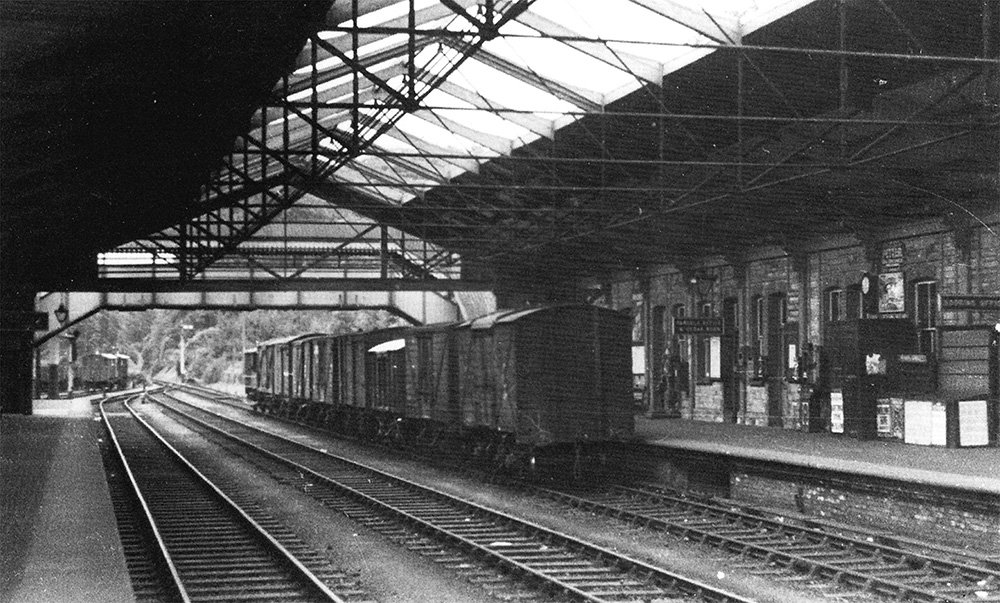
Although a severe fire badly damaged it, workers repaired the overall roof, and someone took this photo in 1939 looking north. The builders originally constructed the buildings in timber, but they rebuilt them in stone after the fire. The station terminus for trains from Plymouth from 1859 to 1865. Image by Stations UK.
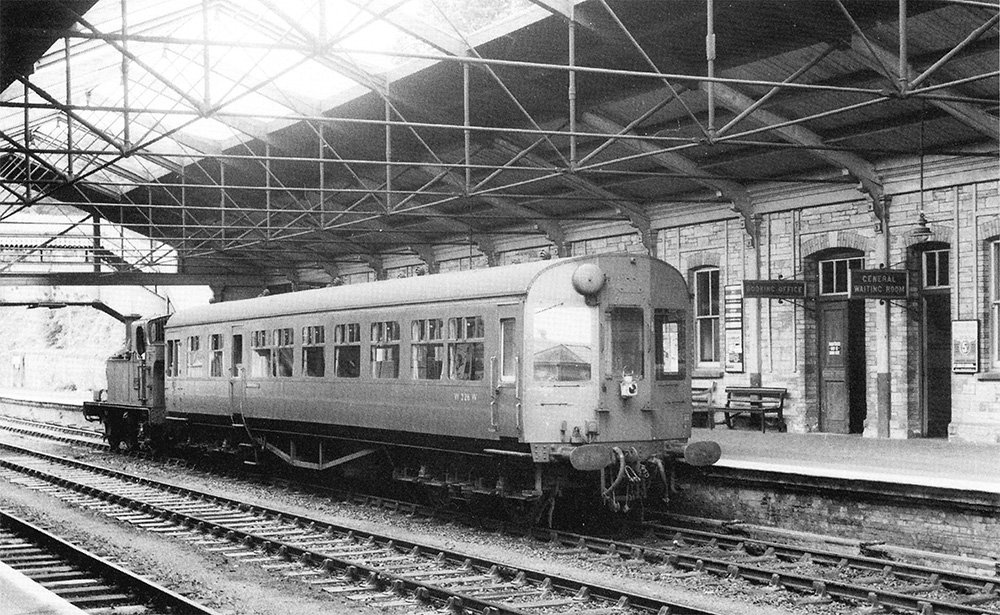
On the 26th of September 1949 the suffix South was added. An auto train was photographed in the up platform, ten years later in 1959. The centre road was not used by passenger trains. Image by J. H. Aston.
Location
Tavistock South was ideally situated very near the centre of the town and slightly above it to its southern side. The river Tavy bisected that land upon which the town was stood and that upon which the station was situated.
The platforms were well built, brick faced with slab edging and blue Staffordshire brick surfaces through their entire lengths. The up platform was the largest at 480 feet in length and it was the direct access to the main station buildings and the approach road outside. The narrower down platform was 320 feet in length and was connected at the northern end by an ornate covered footbridge for passengers.
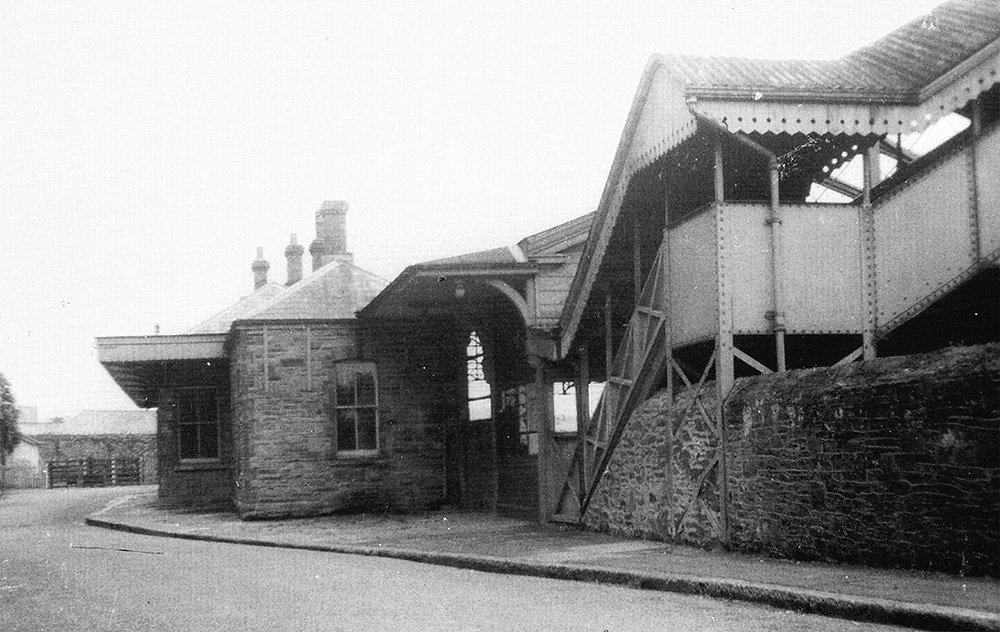
The entrance was on the up side, as this image from July 1963 shows. The population was over 6000 but their interest in using the trains diminished after ten years of petrol rationing ended in 1950. During the bombing of Plymouth, crowds arrived every evening and left in the morning. Image by Lens of Sutton.
Photos of Tavistock South
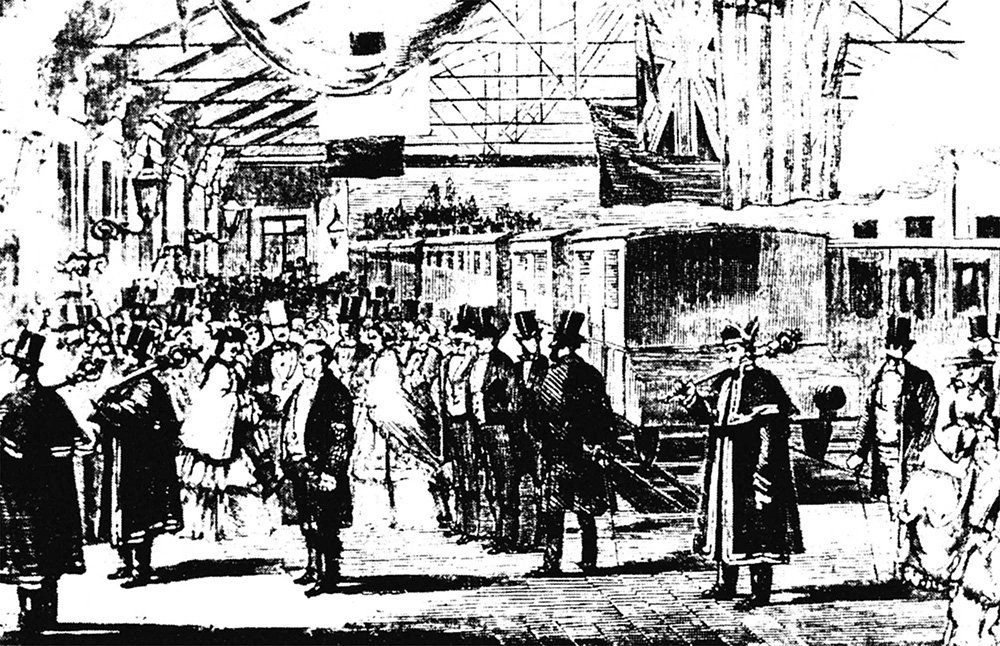
Well, this isn’t a photograph, but an illustration of the opening of the South Devon and Tavistock Railway. This was the scene at Tavistock South station on the 21st of June 1859. Illustration by London News.
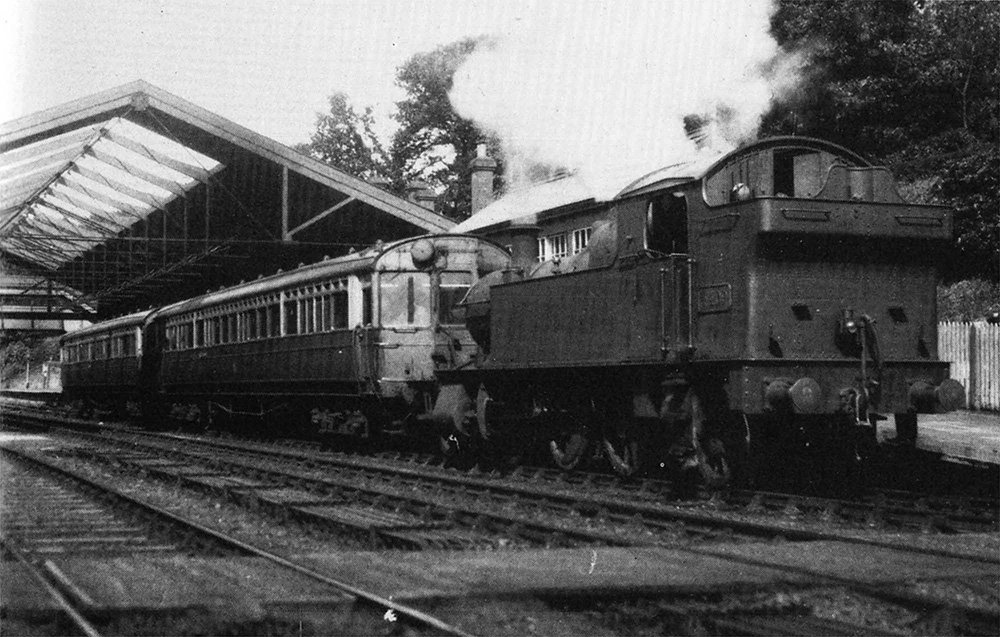
GWR 0-6-2T No 4409 leaves Tavistock with two railmotor coaches. The loco was proper to the Princetown branch and it is interesting to note its use beyond Yelverton. Image courtesy of King Street Curios, Tavistock.
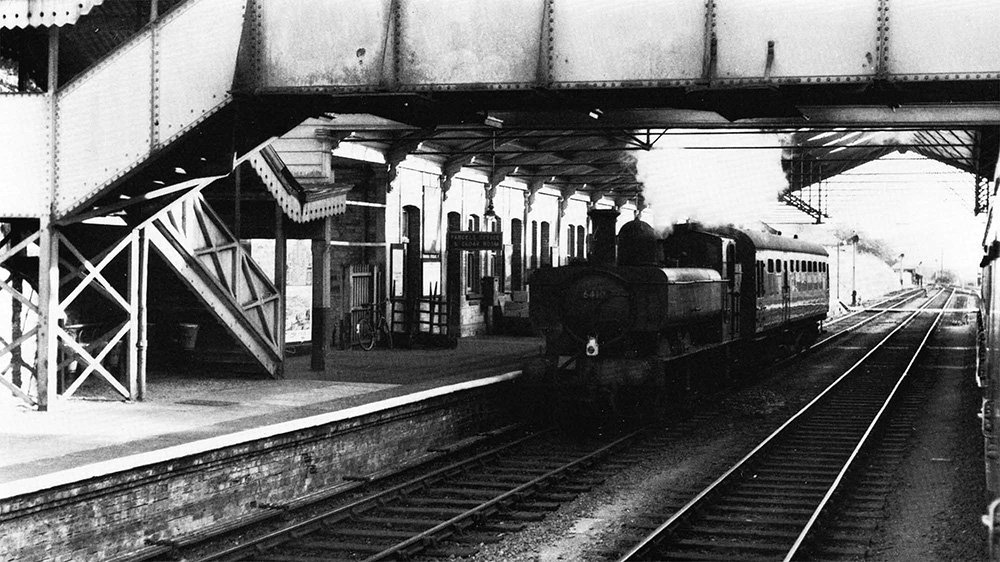
0-6-0 pannier tank No 6410 blows off as it waits to depart with the 6:35pm auto train to Plymouth during the summer of 1959. Image by R. S. Carpenter.
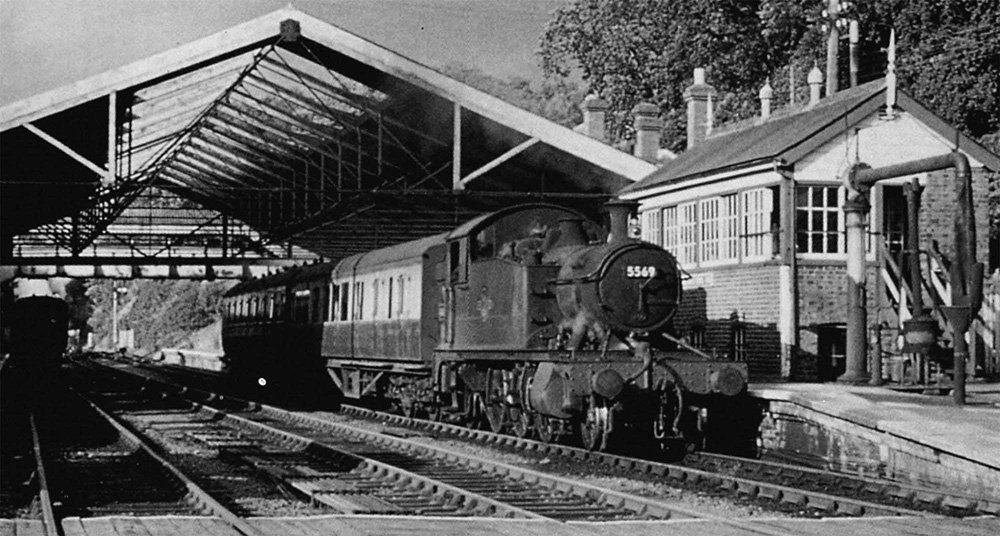
A striking study of Tavistock South during a pleasant summer evening on the 8th of Aug 1961. No 5569 pauses with the 5:30pm Launceston to Plymouth trains before setting of the remaining 13 mile journey south. Image by Hugh Ballantyne.
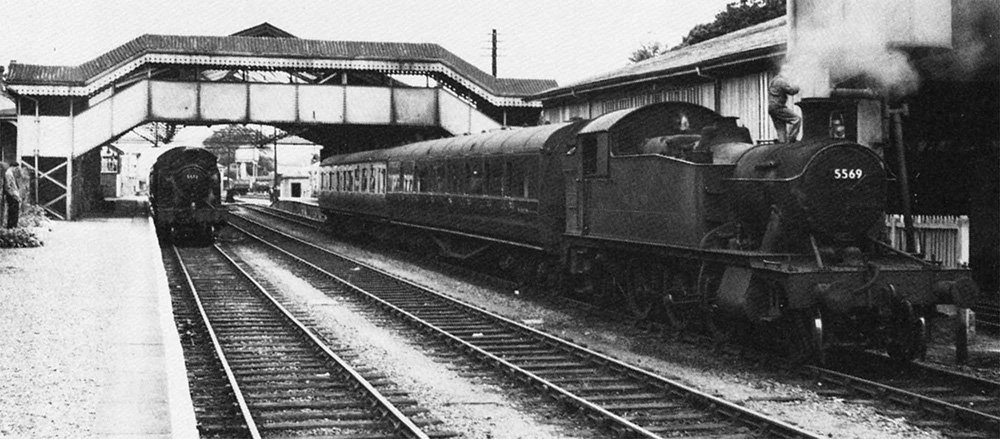
Again, on the 8th of August 1961, No 5572 waits to work the 4:30pm to Plymouth whilst No 5569 takes on water before setting off with the Plymouth to Launceston train. Image by Hugh Ballantyne.
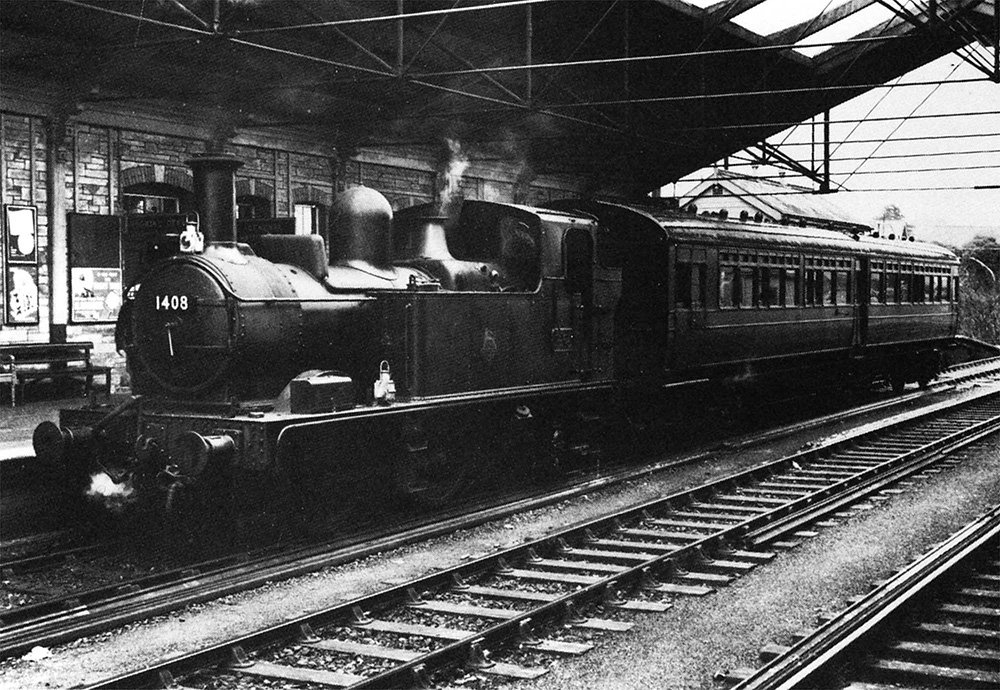
1408 & W157W forming the 12:33pm train for Plymouth, on the 19th of December 1955. Image by Hugh Ballantyne.
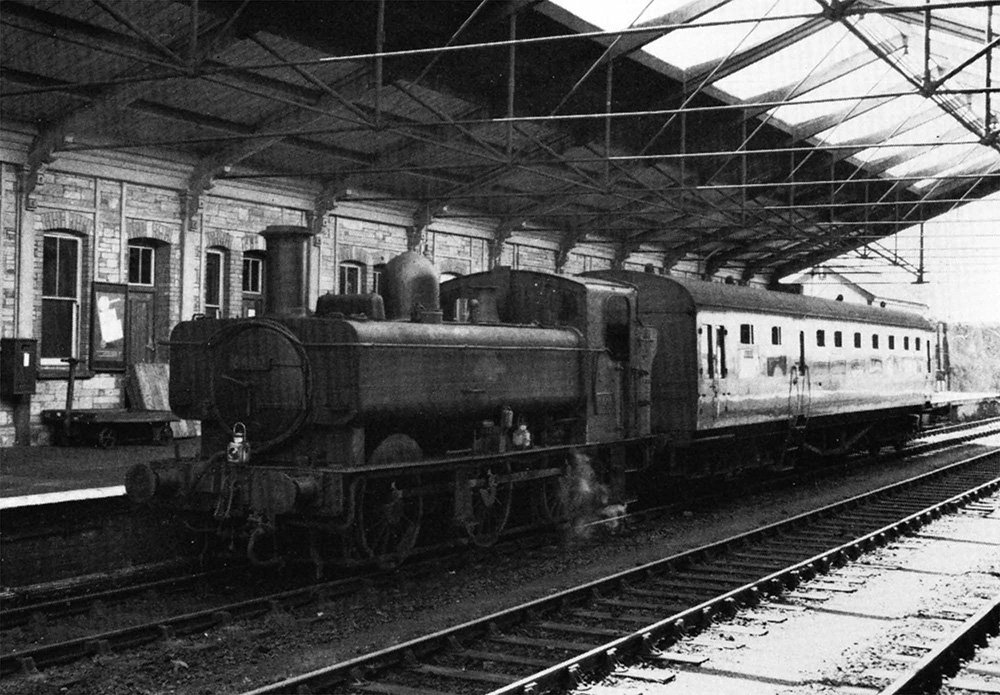
6400 & W230W forming the 12:35pm train on the 8th of August 1961. Image by Hugh Ballantyne.
Arrivals and Departures
Anthony Kingdom, author of the book, The Plymouth Tavistock and Launceston Railway, took photos on a family visit to Tavistock South in September 1962.
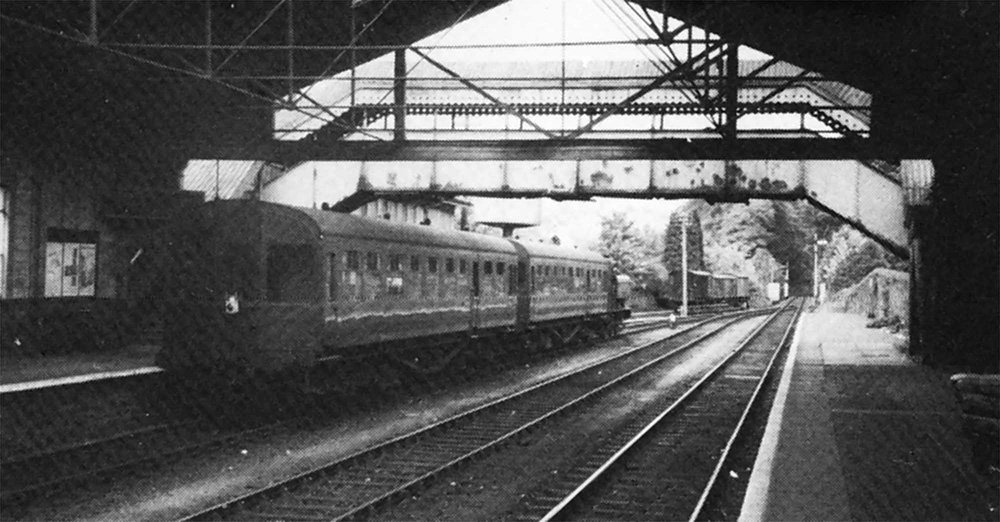
0-6-0 PT No 6340 and auto train after arrival on the down platform as the 2:10pm from Plymouth. Image by Anthony Kingdom.
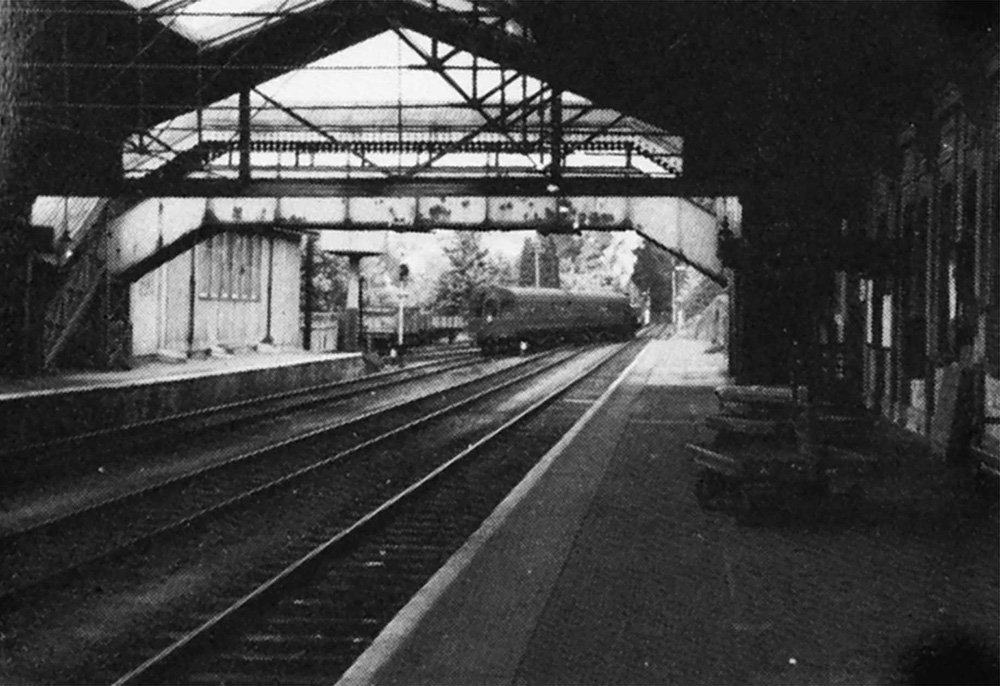
This time, the same train shunts out of the station in order to form the 4:30pm Tavistock to Plymouth on the up platform. Image by Anthony Kingdom.
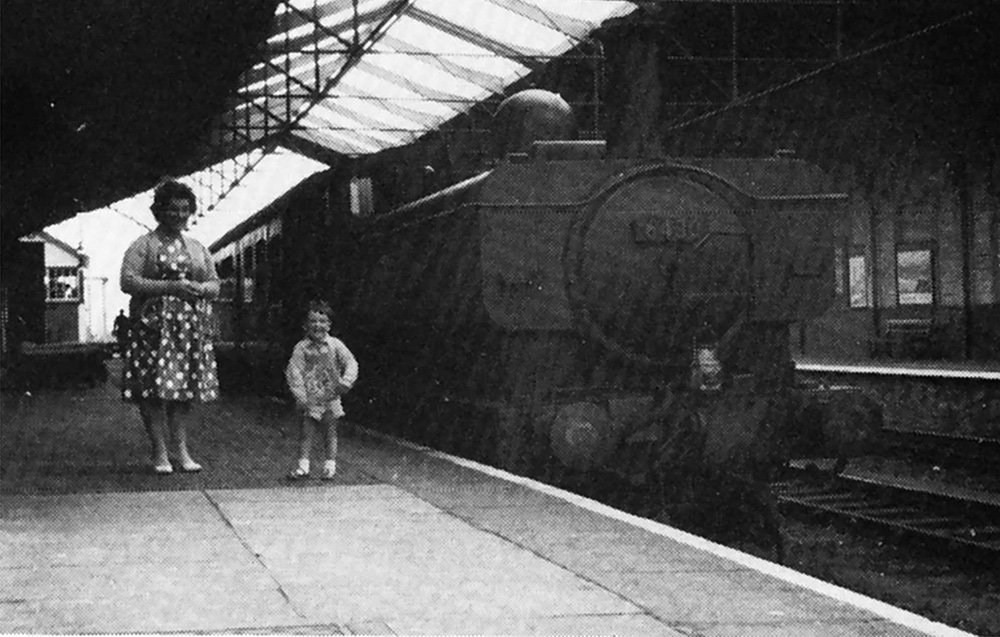
Every young lad remembers their first trip on a steam train. Here, Anthony’s wife and young son, pose with a 4:30pm train from Tavistock, he after experiencing his very first trip on the earlier 2:10pm from Plymouth. Image by Anthony Kingdom.
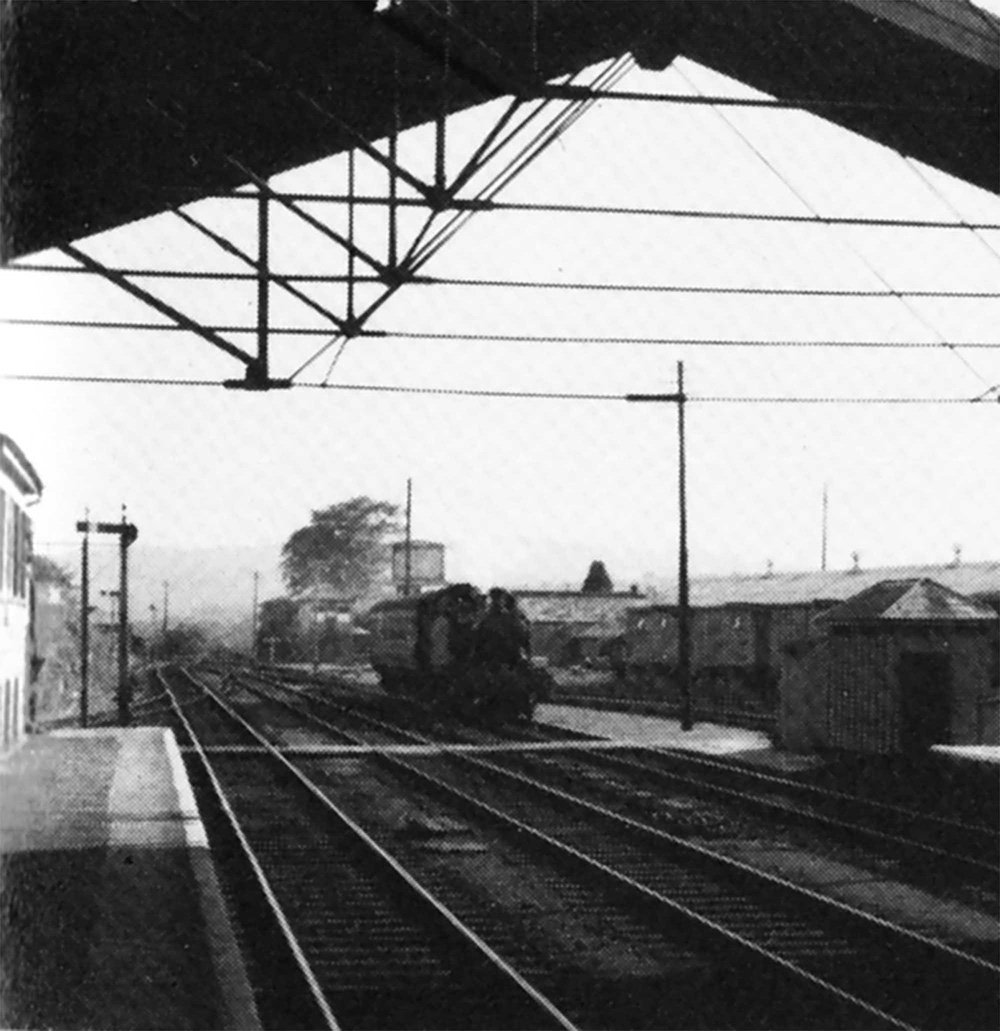
The 5:25pm from Plymouth enters Tavistock from the south at 6:11pm. Image by Anthony Kingdom.
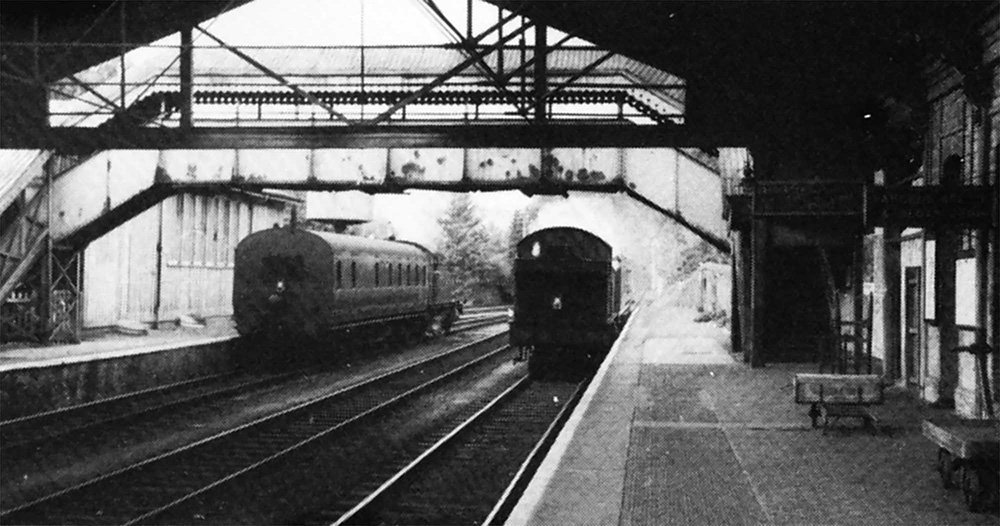
The 5:40pm Launceston to Plymouth train arrives at 6:30pm whilst the 5:25pm waits on the down line to form the 7:10pm Tavistock to Plymouth. Image by Anthony Kingdom.
Tavistock in the Snow
The “Big Freeze” of 1962 saw chaos for the last of the trains on the Plymouth to Launceston branch.
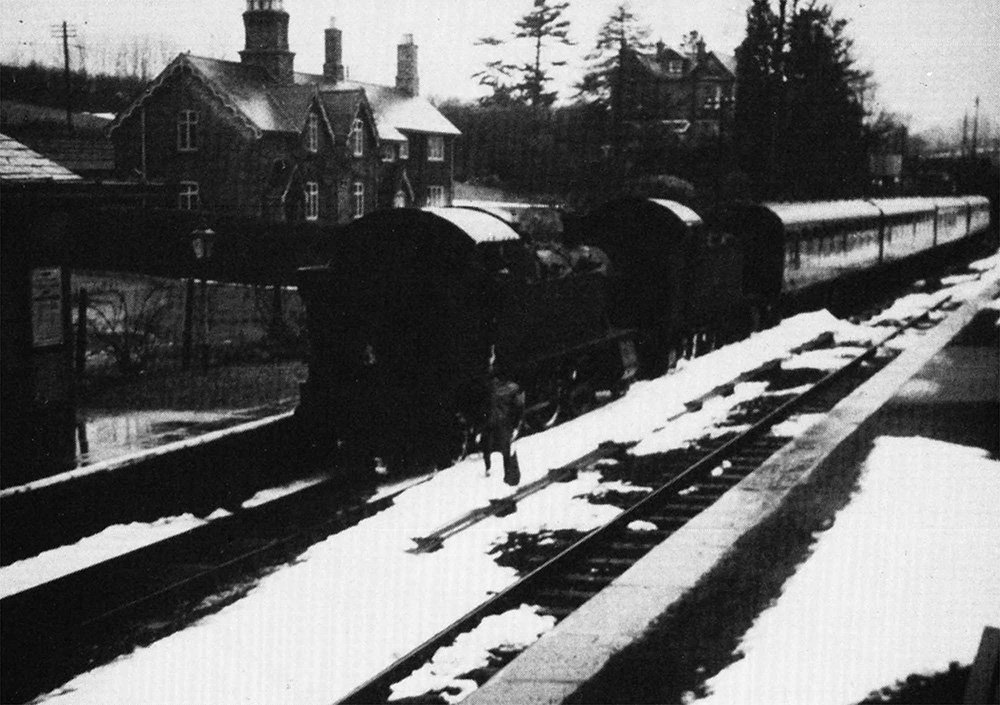
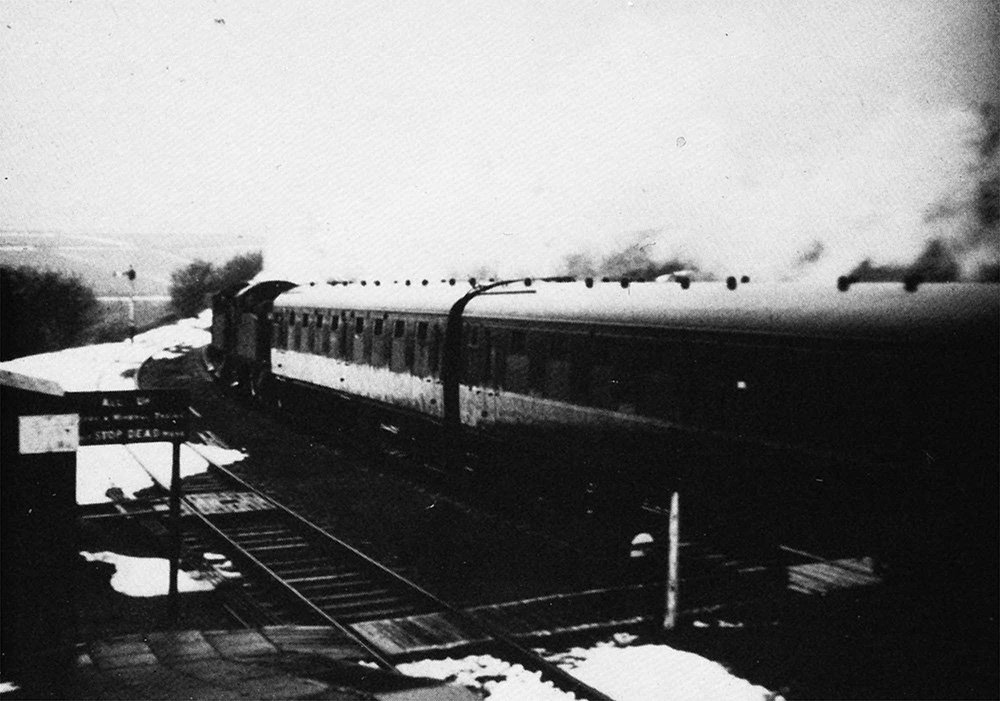
Two studies of what is believed to be, either No 4591 or 5564 arriving and departing with the rescued No 5568 and the Plymouth to Launceston train, stranded at Tavistock. Images by R. E. Taylor.
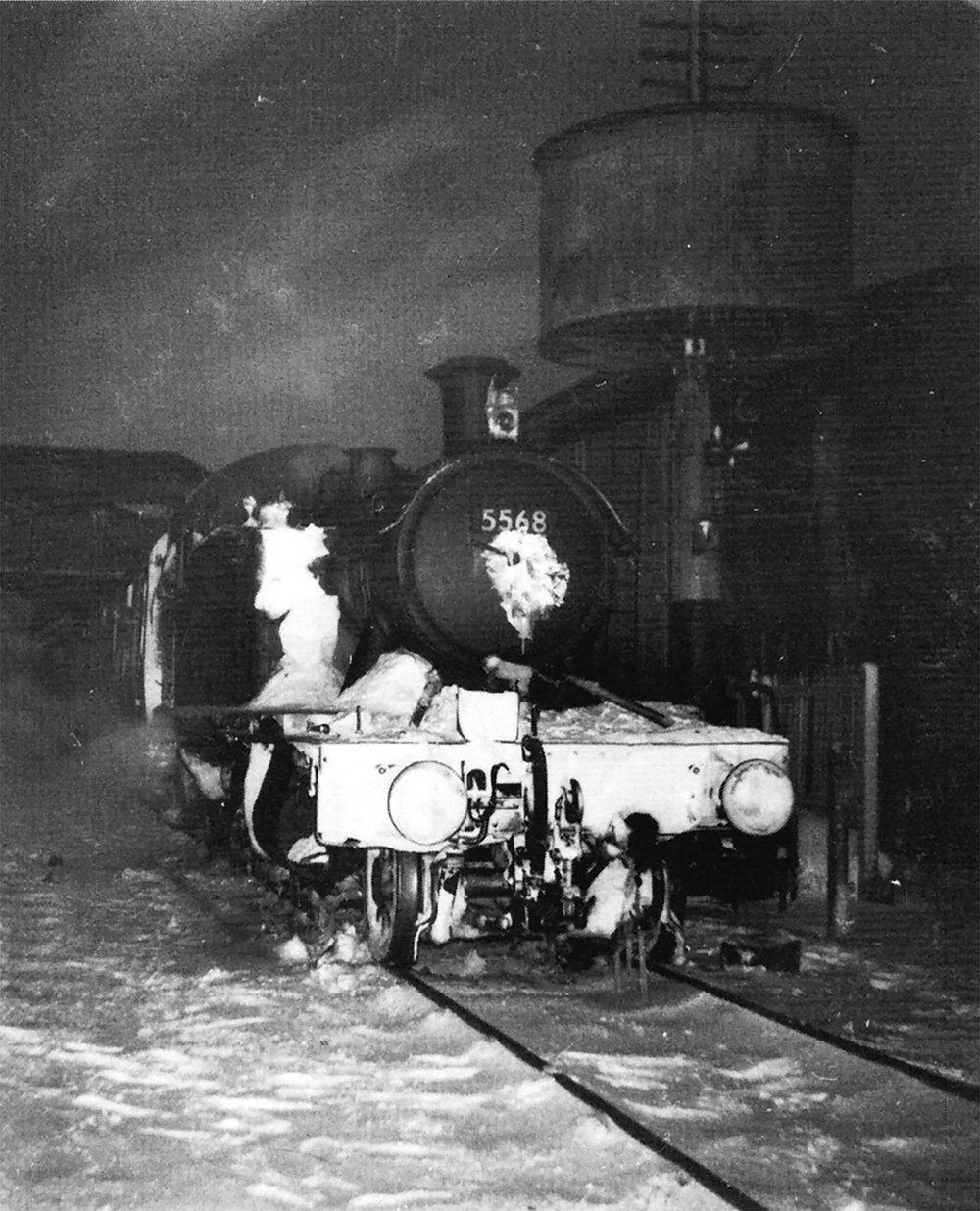
On the last day of service, the 29th of December 1962, the final train from Plymouth should have been the 8:40pm. Owing to the very severe blizzards and low temperatures, the 6:20pm left 72 minutes late and eventually arrived, after heroic work by the staff, at 12:25am. The incident soon immobilised the vehicle, and police officers helped serve tea at around 3:00 a.m. This photo was taken at 6:25 a.m.
The 7:10pm southbound departure had become stuck at Bickleigh, and passengers spent the night in the signal box, as there was no steam left to heat the train. Image by M. Dart.
Movie Footage of the Station
It’s not very long, but here is some wonderful movie footage of the station, back when the steam trains ran.
Next Up
I’ve covered the history of Tavistock South station, but in the next blog post, I will cover just after the closure and what it looks like today. Please don’t expect too much, as there is very little to see of the station today.
As always, I would like to thank Anthony Kingdom and Middleton Press for the use of their past images. You can find books by both authors, and they make wonderful reading.
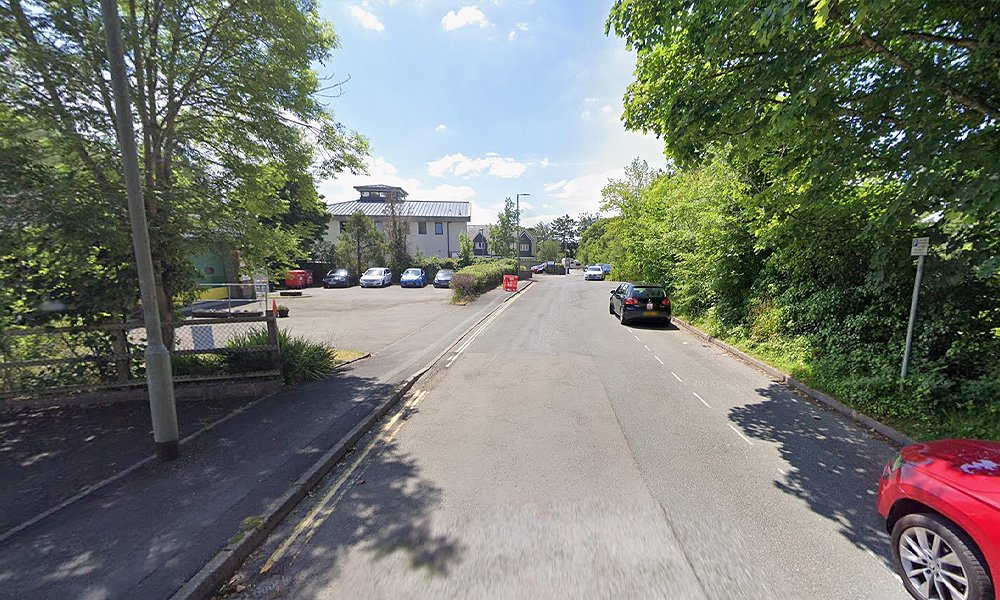
The site of the station today, image by Google Maps. Make sure you sign up for my newsletter, so you can see when the next blog post is ready.