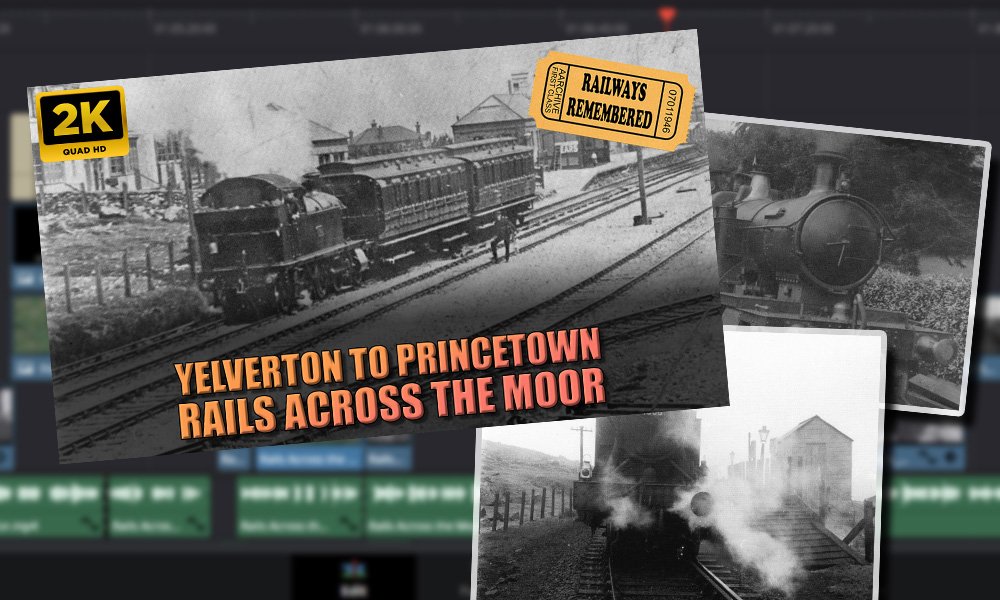
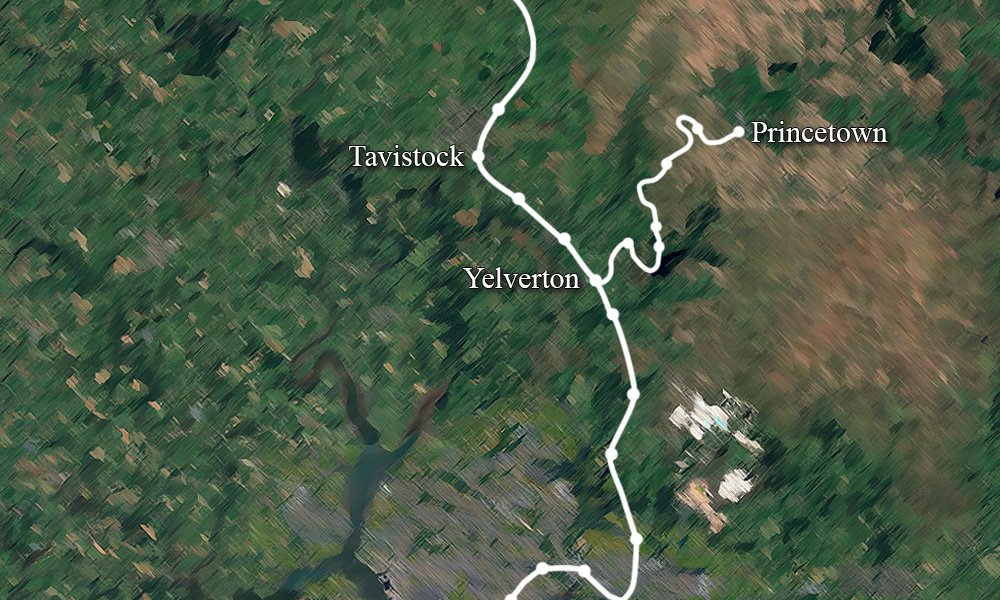
I will carry on with the blog posts about Plymouth to Launceston, but I have just remastered the branch line that came off at Yelverton. It ran from Yelverton out to Princetown, in the heart of Dartmoor.
Shadows on the Moor was originally produced in 1985 (as I recall). A man called Bob Ainsworth directed it, with dad producing. Bob and dad had known each other for many years, having both worked as projectionists in the cinemas in Plymouth.
By 1996, dad and I were making new documentaries, and we ‘extended’ Shadows on the Moor, and made Yelverton to Princetown – Rails Across the Moor (I had said dad liked long titles).
Shadows on the Moor Extended
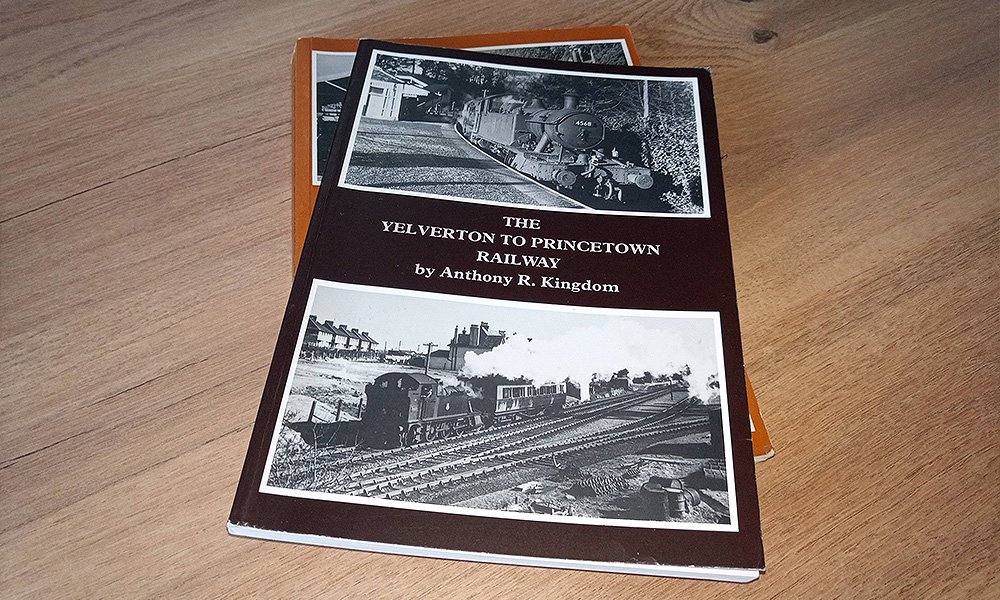
Shadows on the Moor was originally shot on 16mm, but dad had collected more footage of the branch line, and had also befriended Anthony Kingdom. Anthony had written a book on the line and had collected some wonderful images and stories. Dad used Anthony’s book, The Yelverton to Princetown Railway, to tell the story of the line, but in a video format.
Dad and I teamed up with another projectionist from Plymouth, Roger Underwood, who was a cameraman and editor. We would spend days filming the line, as it was, back then in 1996. Dad wrote a script and we made the video.
Since then, I have put the video on to DVD, and it’s now on YouTube. Yelverton to Princetown was one of the most popular videos we made, but it needed an update. So, for the past few months, I have been going through the video, updating images, music and more. So I thought I would share how remastering the videos work.
The Visuals
I have been video editing since about 1990; originally on VHS, but today I edit digitally. There is a wonderful program called Davinci Resolve that I use, here is a screen shot of what an edit looks like, which is spread out over two monitors.
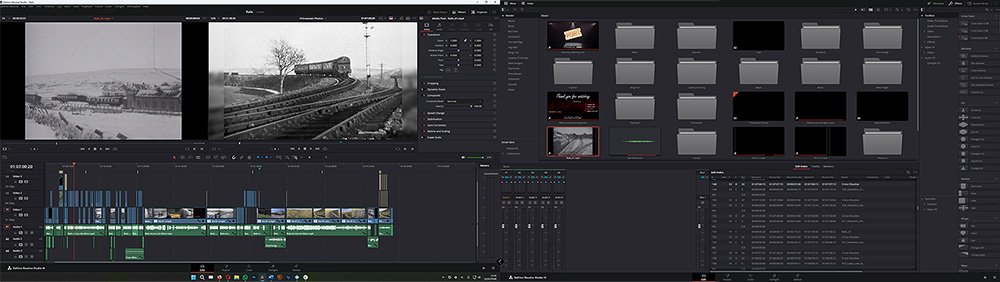
I won’t go into all that much detail, but on the left you have the main editing screen, with an editing window for clips, then the second window is the final timeline.
The timeline, under neath, is where all the footage, photographs and sound go. The blue lines are images, the green are sound. On the right hand side is the folders where everything is stored. I try to keep things has neat as possible, so I usually have all footage and images in their correct folders, so they are easy to find.
There are other things, like fades and dissolves, but I’m not going to go into to many details.
The Timeline
Here is what the main time line looks like once I’ve finished editing.
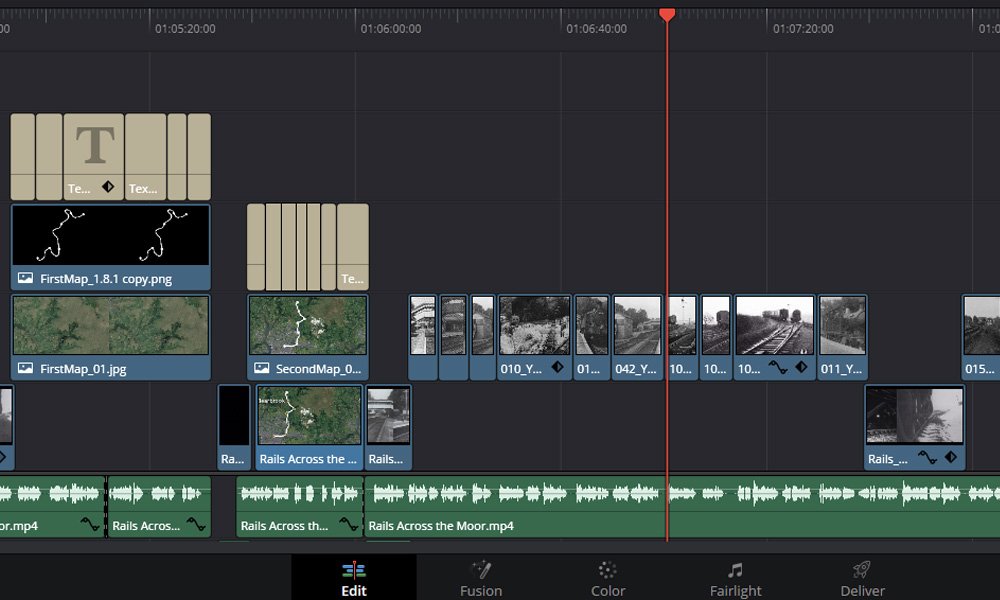
You can see that there are layers, the lower is the background, the top layers are in the foreground. Things like ‘text titles’ go on the top, so they would appear over the visuals.
The main thing about the timeline for Yelverton to Princetown was the improvement of images. Originally, to get the images from Anthony’s book, we had to film them. This was done with a song sheet holder that Roger U. had. It was not the best way of doing it, but it was before we could afford a scanner, which were thousands of pounds back then.
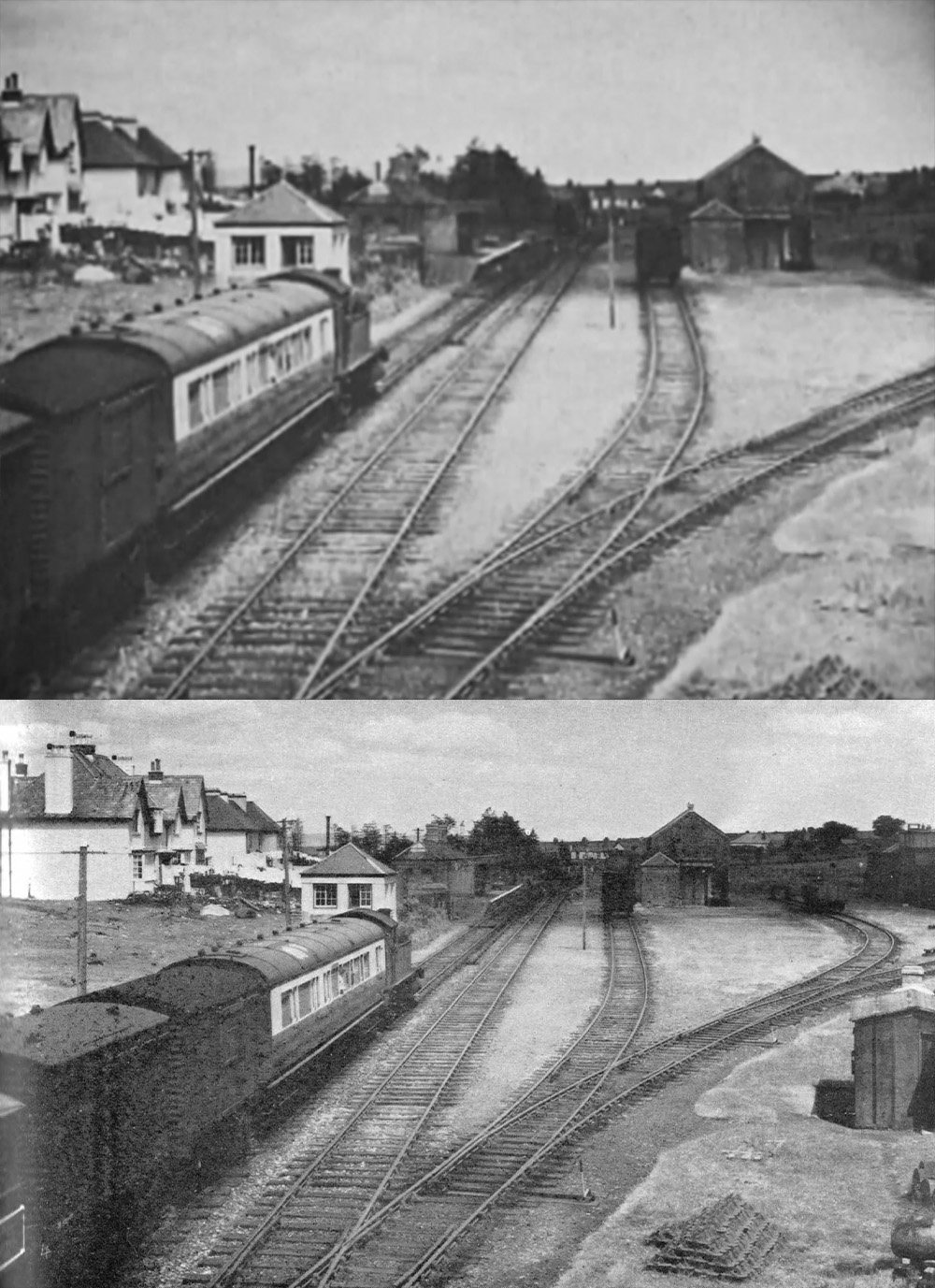
Here you can see there’s a huge difference in between these. The top image is not the sharpest and it loses the edges. The bottom image, has been scanned, is very much sharper and I’m also to pan along it in the edit.
Overall, there were about 150 images to edit and then put into the video. I had to work on them, a section at a time, hence why it took a few months to do.
The Audio
The biggest issue with the sound was the music. When we made Rails Across the Moor, we had limited choices for music. We used a company called Notepad, who sold copyright and royalty music. However, some of it was not the best, but we had to work with what we had.
Getting the videos on to YouTube was another story. There are issues about copyright, that can be a headache, including them claiming some of the music was copyrighted.
Dad knew some people that wrote their own music, so some of the themes are our copyright and still fit the video. However, some of the music needed to be replaced and this caused two issues.
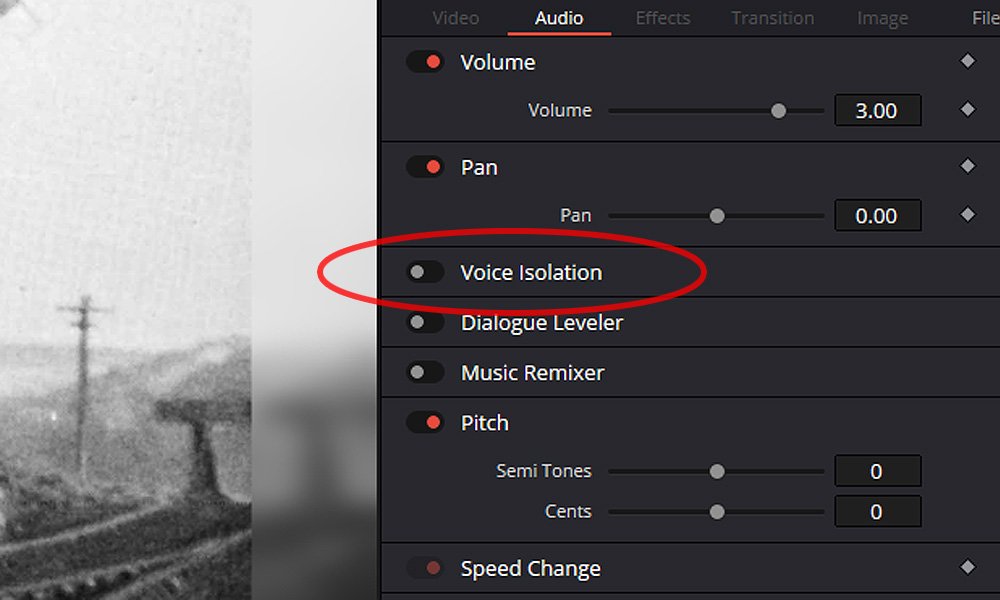
Firstly, the copyright, as I said, but also that I wanted to keep dad’s original narration. Since dad had long passed away, I wanted to keep his voice over the images, as it was nice to hear, but also, he did a much better job than I could do.
In Davinci Resolve there is a feature called Voice Isolation, which keeps the voice, but gets rid of the background music or sound effects. This meant, I could keep dad’s voice, but change the music.
Music can be a difficult one at times, trying to make sure it fits the tone. On a recent upload, someone called my choice ‘ghastly’, which was a bit strong, I thought it fitted rather well.
A note about dad’s narration, he would sometimes make mention of the year, saying it was 1996 or 1997. On the one hand, this sounds strange for a video in 2026, but on the other, I didn’t want to lose dad’s voice. I did experiment with using AI to duplicate his voice, but I didn’t like it and it didn’t feel right.
The Final Edit
After many hours of editing the visuals and sound, Yelverton to Princetown – Rails Across the Moor is ready for viewing. The only thing I haven’t had the chance to do it update the ‘modern footage’.
I like to take Anthoty’s book with me, and try to recreate the image as a Then & Now, like this image.
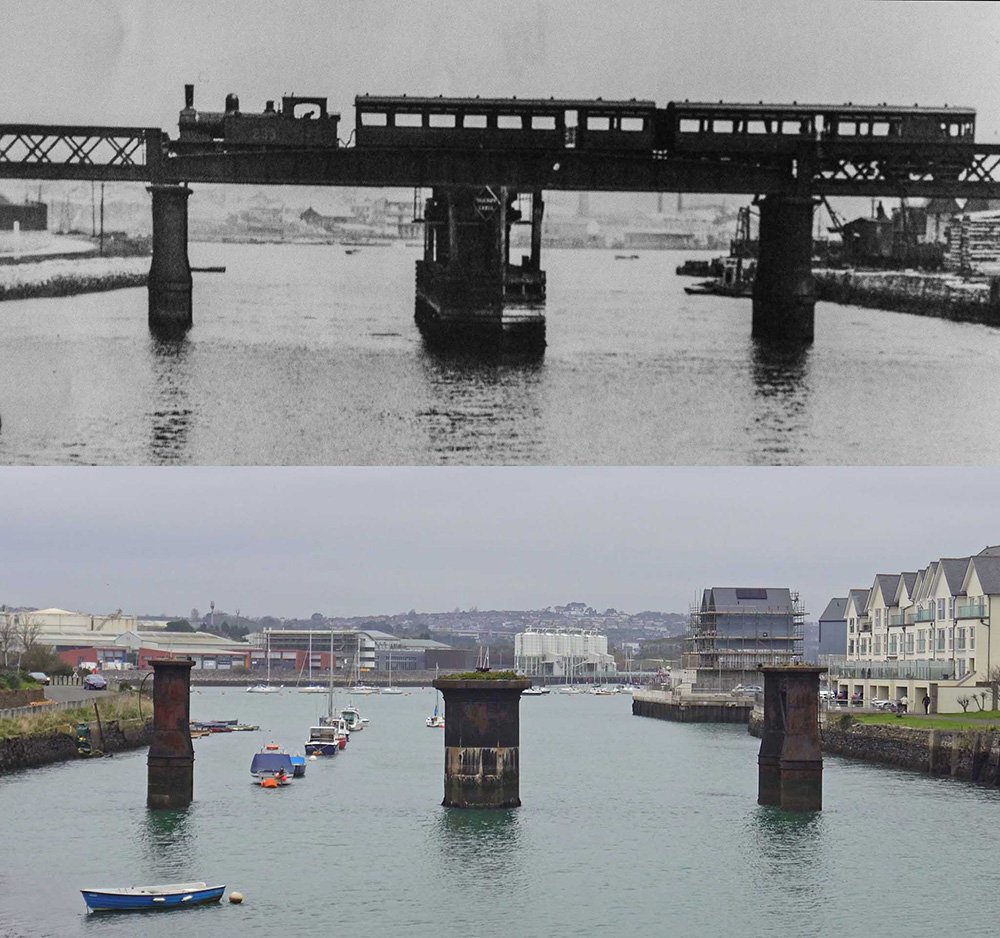
This wasn’t on the Yelverton branch line, it was Hooe and Turnchapel, which is where mum still lives. As you can see, there was a swing bridge over Hooe Lake, but 100 years later, only the struts survive.
This year, I plan to get down to Devon and refilm the sites today, showing what the stations look like now. Most of the time, it’s very sad, sometimes with nothing of the station left. So hopefully, that update will be on its way.
In the meantime, please enjoy Yelverton to Princetown – Rails Across the Moor.
I hope this blog has been an interesting behind-the-scenes of what I do here at Archive Films. I’m not sure which video I will be remastering next, but I will crack on, scanning images and looking for new footage. The images are great for the blog and to share on social media.