
Next on the old branch line from Plymouth to Launceston was Horrabridge. I’ve covered the other stations on this blog, the last one being Yelverton, which was the junction station for the Princetown branch line.
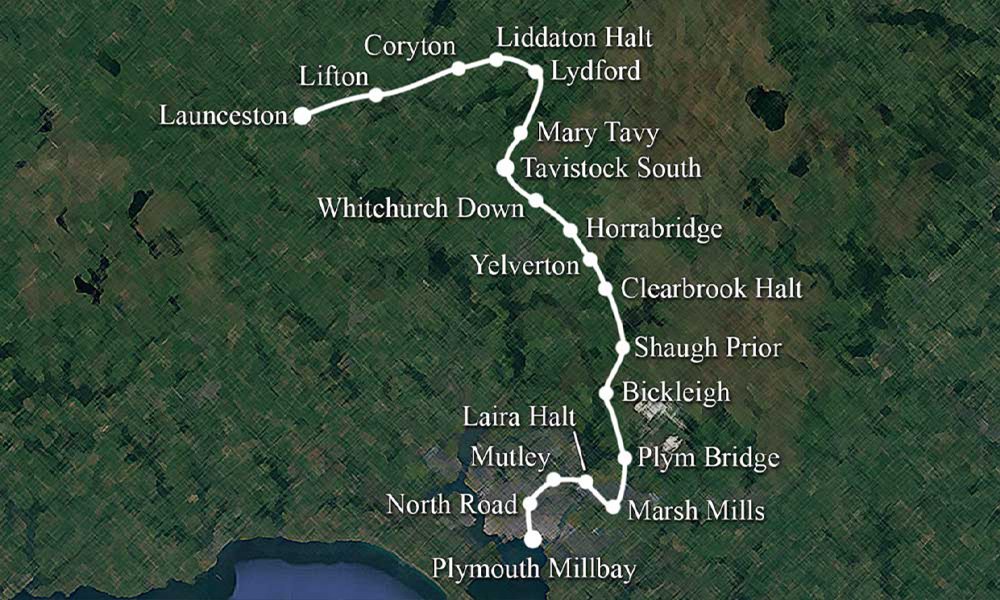
Horrabridge opened on the 1th August 1883, and was the junction for Princetown, until Yelverton opened in May 1885. It served the village of Horrabridge, sitting just the east.
Photos of Horrabridge
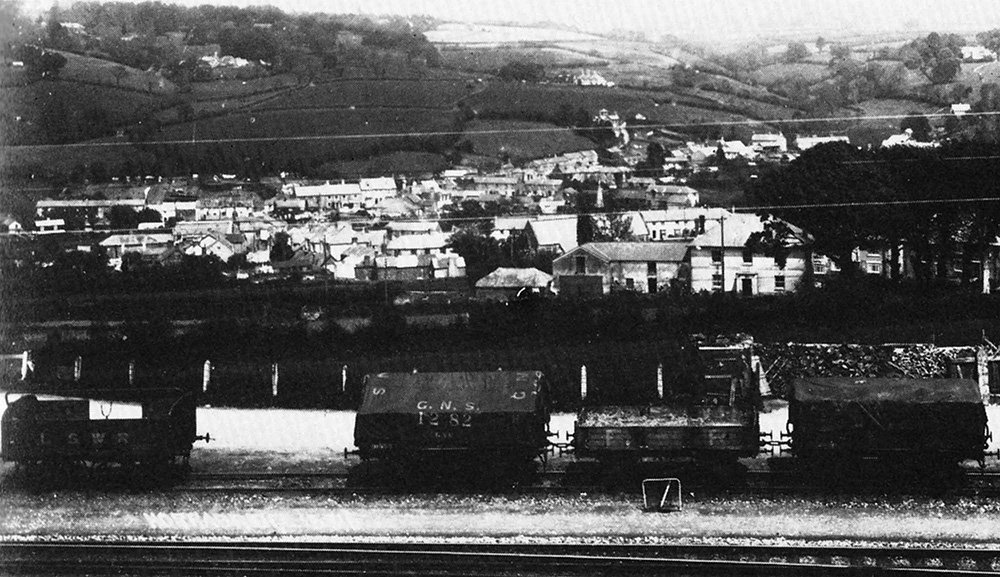
A beautiful overview of Horrabridge with the village in the backdrop, taken in the 1920s. Notice the trucks in the siding include examples from the Great North of Scotland and Furness Railways. Image be Chapman & Son.
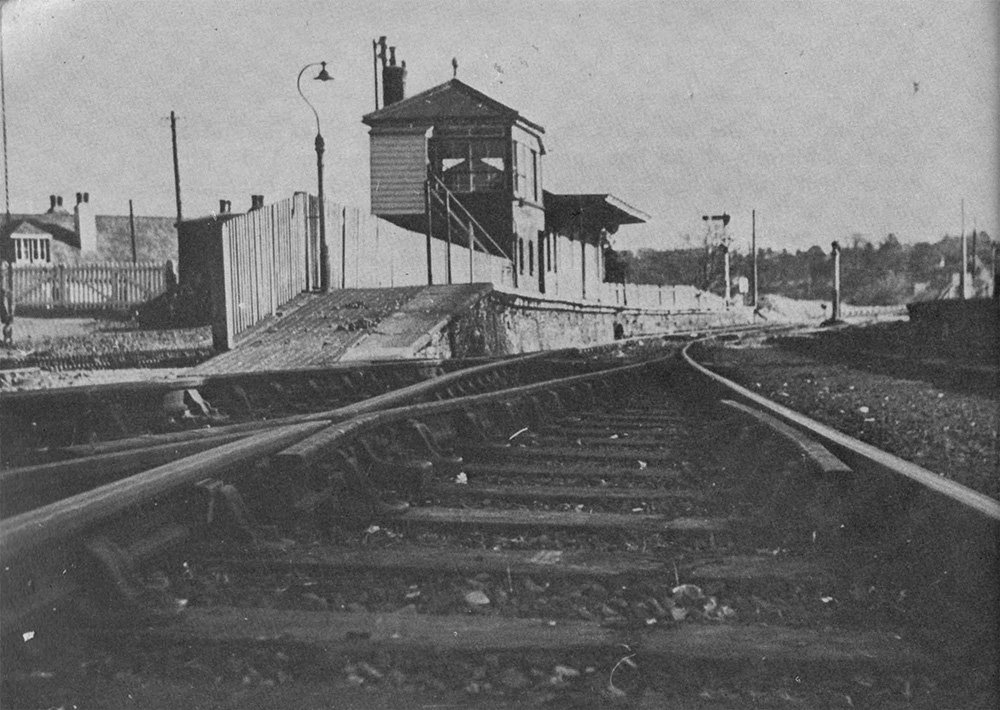
On the rails, this view is of Horrabridge station, looking southwards, towards Yelverton. Date unknown. Image by Anthony Kingdom.
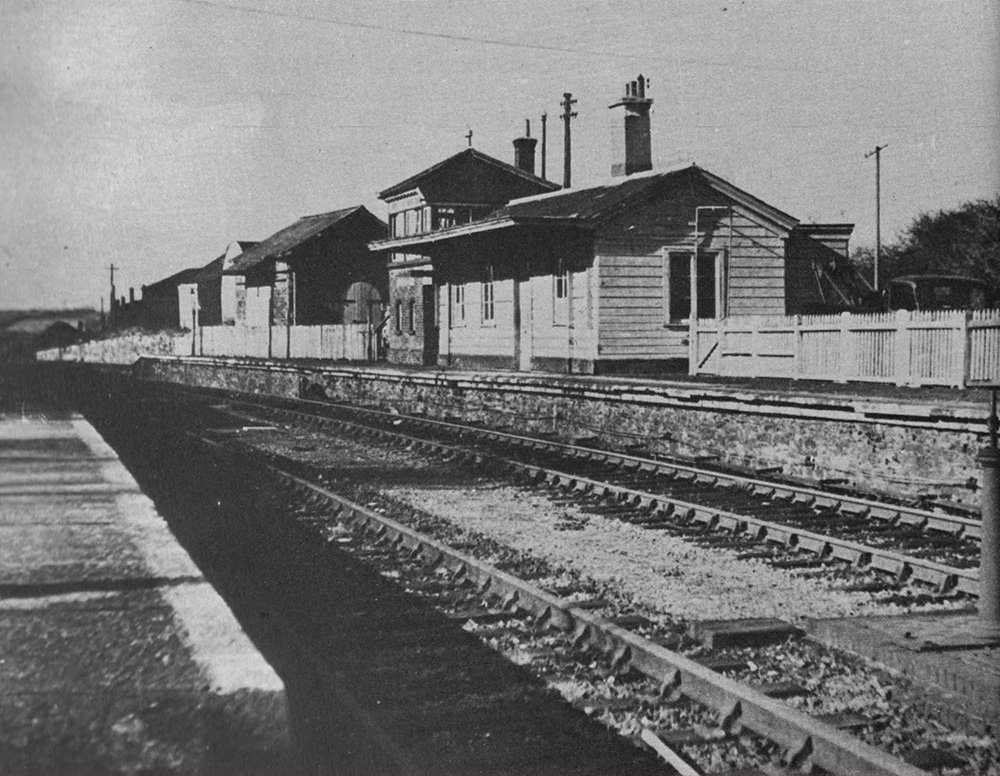
This image looks north, towards Tavistock. The waiting room and ticket office was of timber construction, namely of wide lateral planking, with its short stubby canopy giving no more essential cover to the platform outside it. Date unknow. Image by Anthony Kingdom.
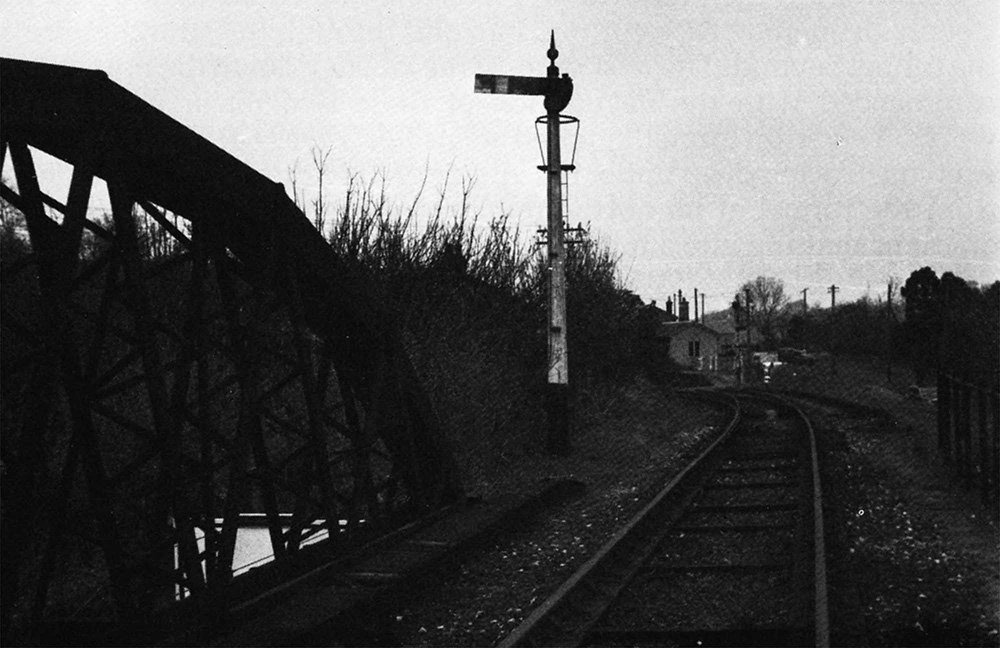
This image is an unusual study of Horrabridge station showing the ‘bowstring’ girder bridge that spanned the A386 Plymouth to Tavistock road below. Meanwhile, you can also see a fine view of the ‘up home’ signal which is a typical early GWR wooden construction. Date unknown. Image by R. Goulding collection.
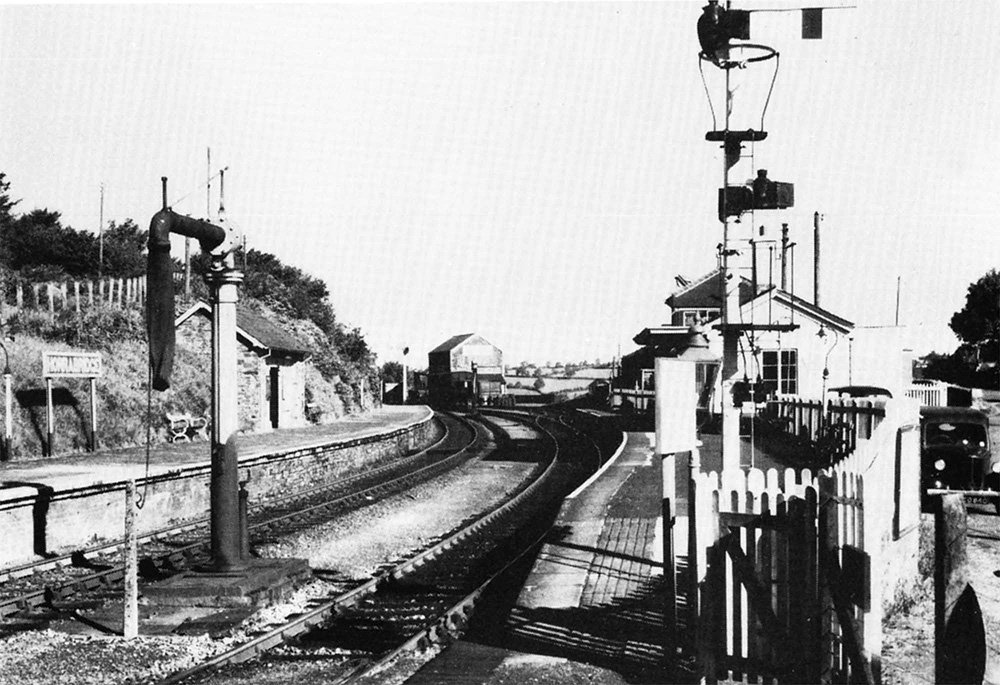
Here is an impressive view of the station, taken in the 1950s. As can be seen, this was taken from the site level crossing which was closed on 5th March 1952. Both water colums are included, as is the roadway to the singer siding of goods yard. Another siding had been laid on the other side of the running lines in 1905. Image by Lens of Sutton.
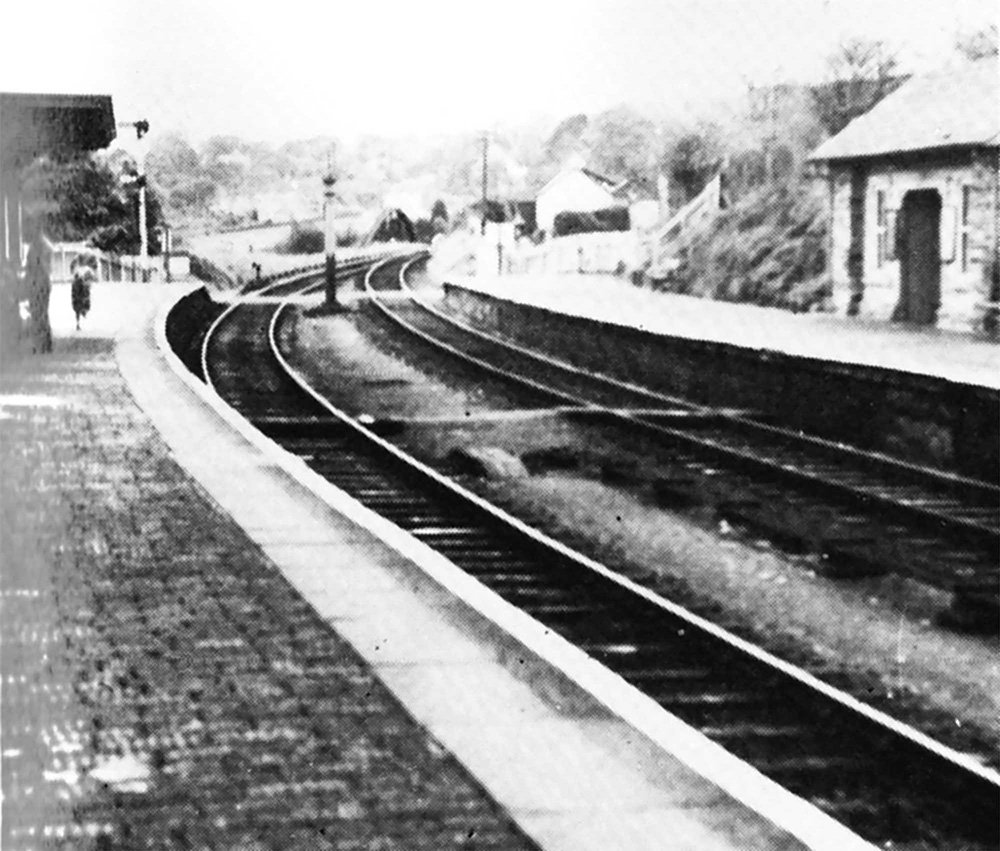
Another view of Horrabridge taken in the late 1950s. This time, the image shows both the ‘up’ and ‘down’ trains passing. Images by Devon Library Services.
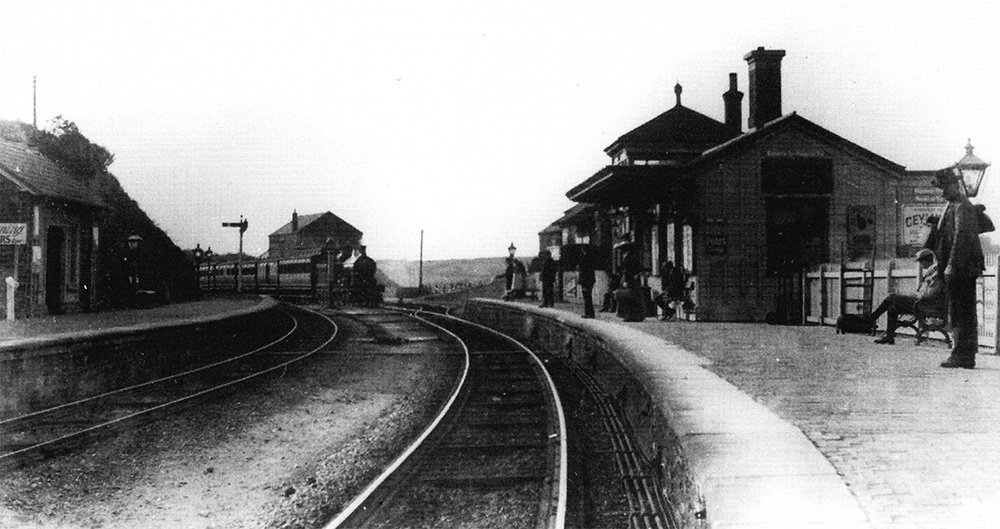
A northward view includes the original type of track which had longitudinal timbers tied together with transoms. However, these had all been shortened during the gauge changing weekend. Date unknown. Image by Lens of Sutton.
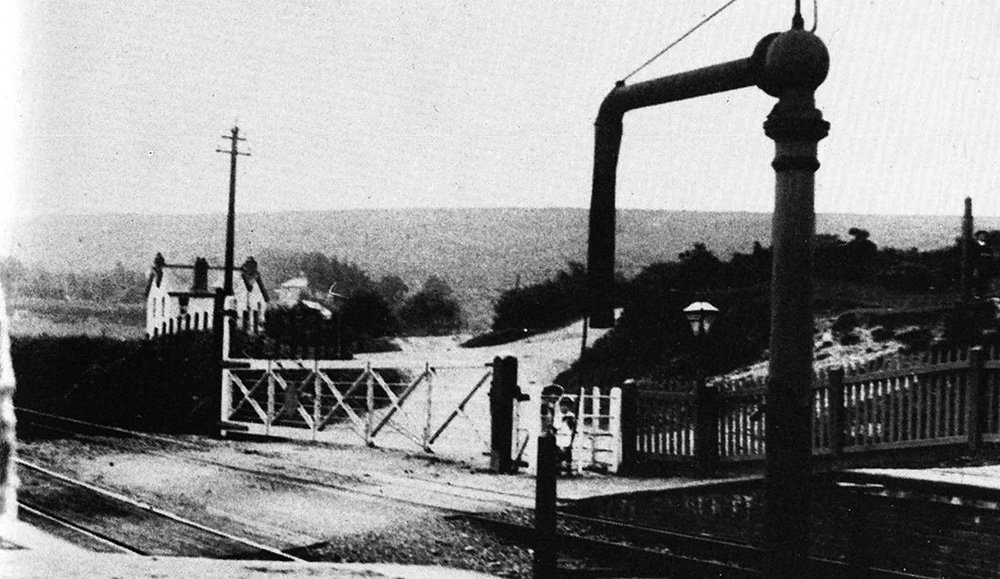
Here is the former level crossing at the southern end of the station. Taken circa 1920. Image by S. Taylor.
Trains & Staff at Horrabridge
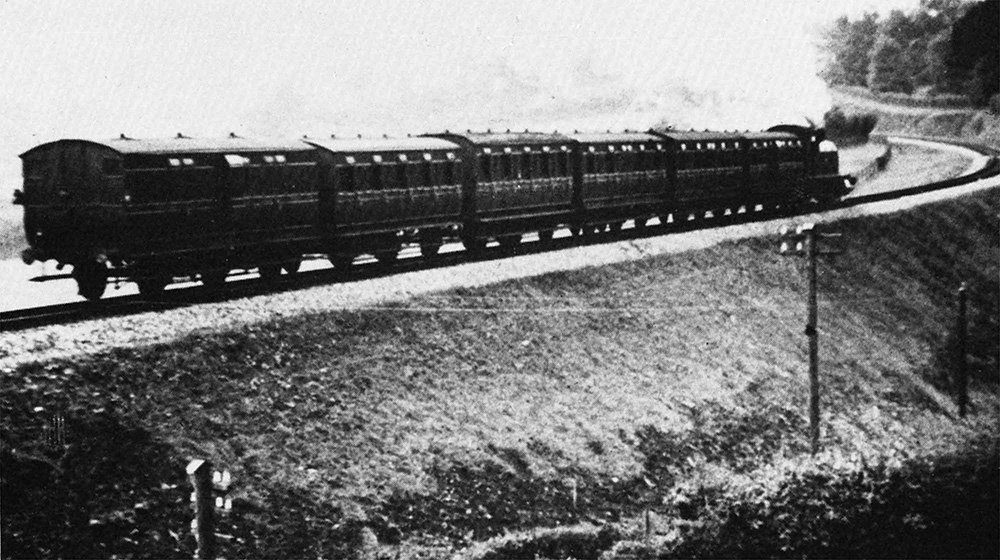
The above photo we see a six coach train for Plymouth heads for Yelverton after its departure from Horrabridge. Note its 4 and 6 wheel stock. Taken circa 1913. Image by S. Taylor.
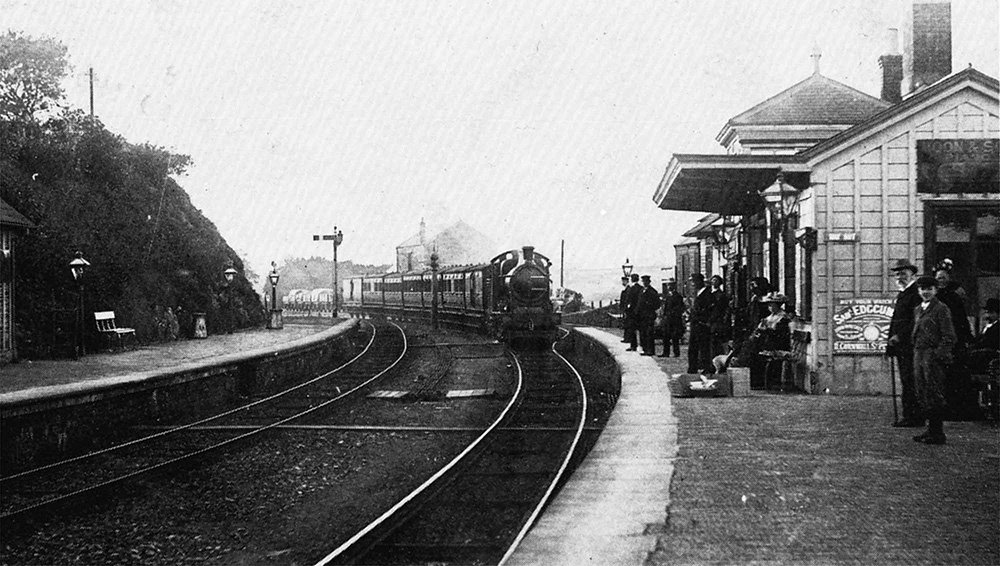
In this image, looking towards Tavistock, GWR “3512 class” 4-4-0 No 3531 arriving with a ‘up train’ for Plymouth. Taken circa 1916. Image from a postcard via W. R. Gay’s Series, courtesy R. T. Coxon.
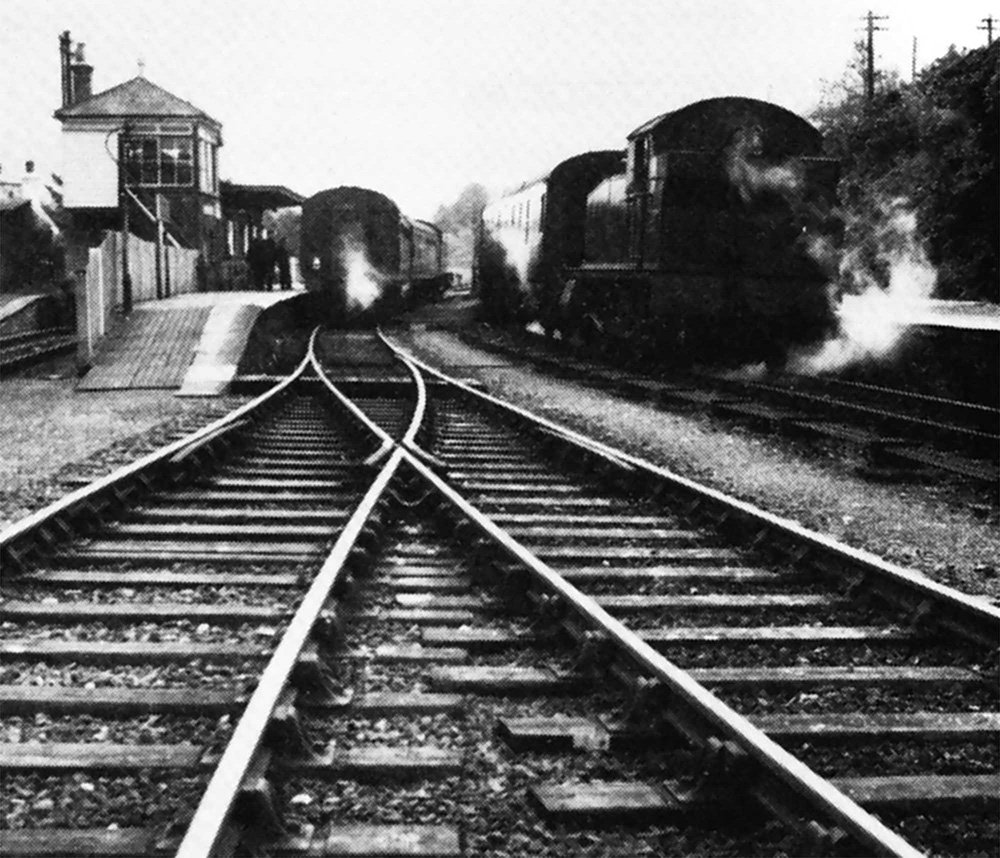
I’m sorry I don’t know what locos they are, but this is looking Yelverton some time in the 1950s. However, this image shows both the ‘up’ and ‘down’ trains passing. Image by Devon Library Services.
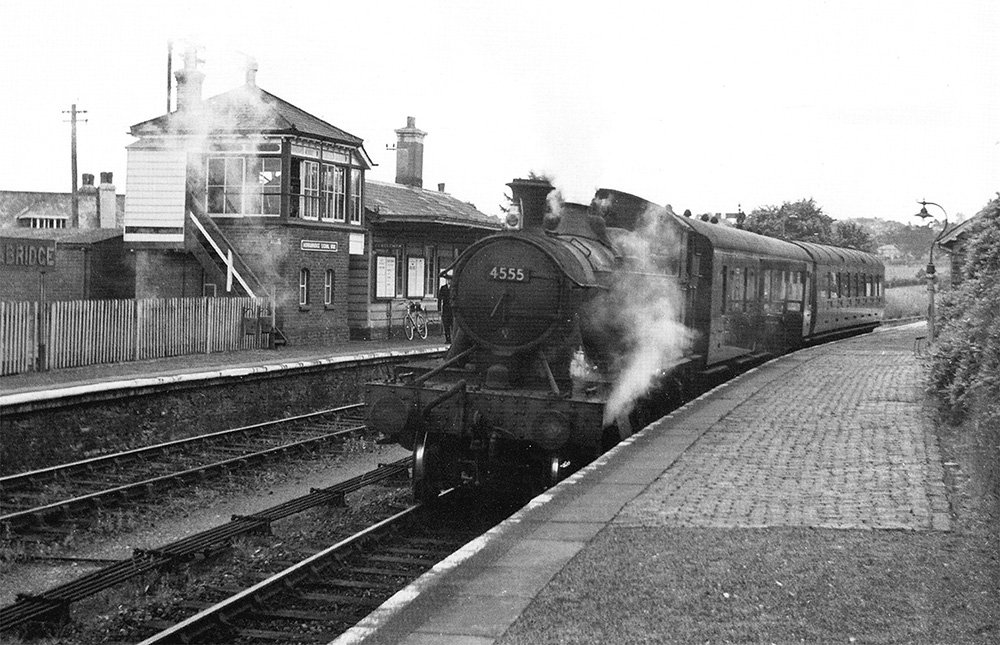
No. 4555 was recorded with a train from Plymouth on the 23rd June 1962. At the time of closure the village population was around 1,400 people. Sadly, the site was cleared in 1979. Image by M. J. Messenger.
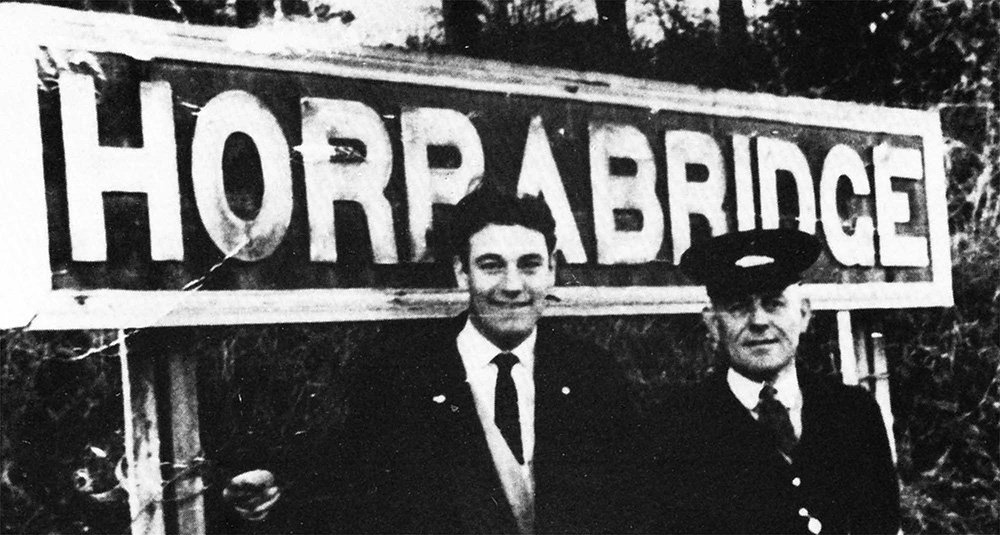
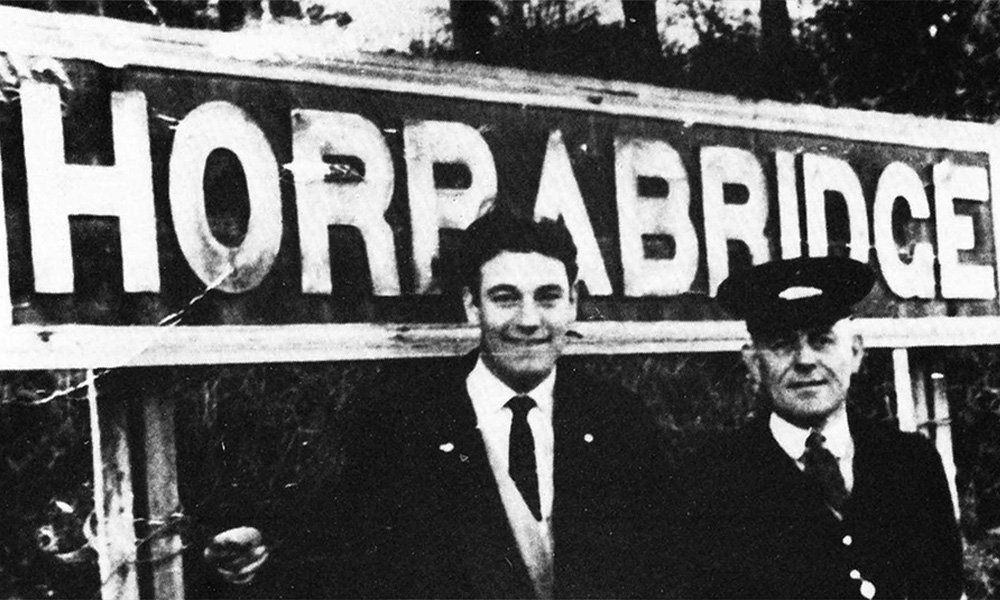
As seen here, the late E. J. Thomas Jr., former lad porter and signalman for Yelverton. With him is Les Allen, relief signalman at Horrabridge. Date unknown. Image courtesy of Mrs E. J. Thomas.
Horrabridge Today
Views of Horrabridge is very different today. Sadly, I haven’t been able to get to the area to take photos myself, but here are some images from Google Maps. Some of them aren’t the best, but I’ve done what I can.
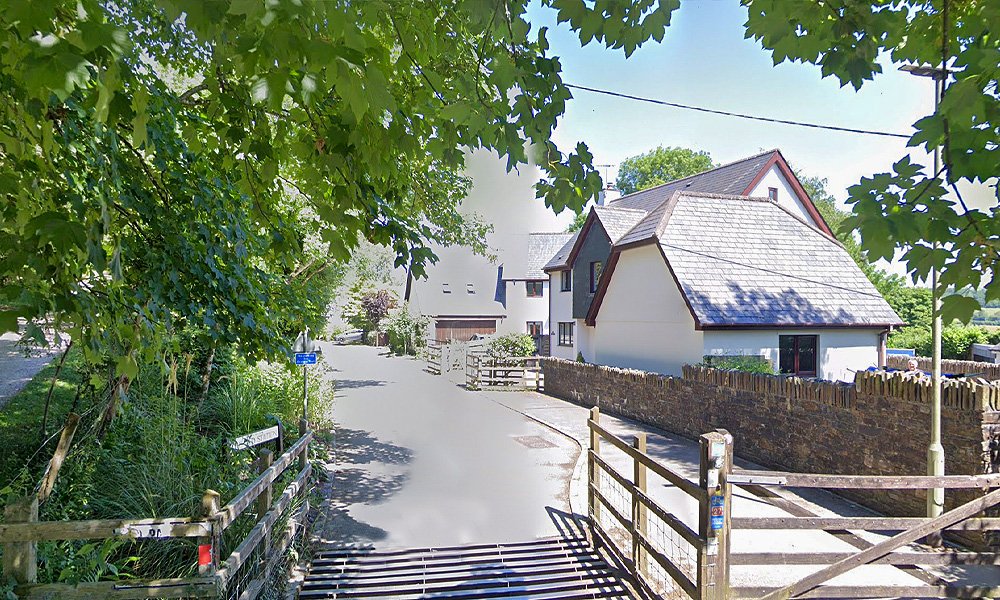
Things are very different today. As you can see, looking north, there is no sign of the trackbed, which is now an access road to The Old Station. It’s now populated with houses.
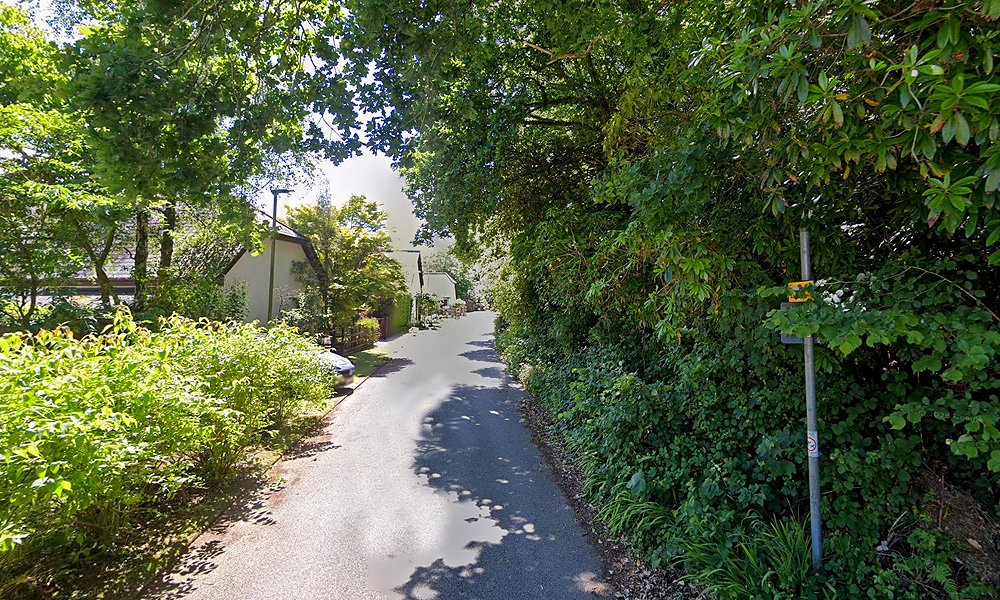
From this angle, looking south, again, there is nothing of the station, platforms or tracks now.
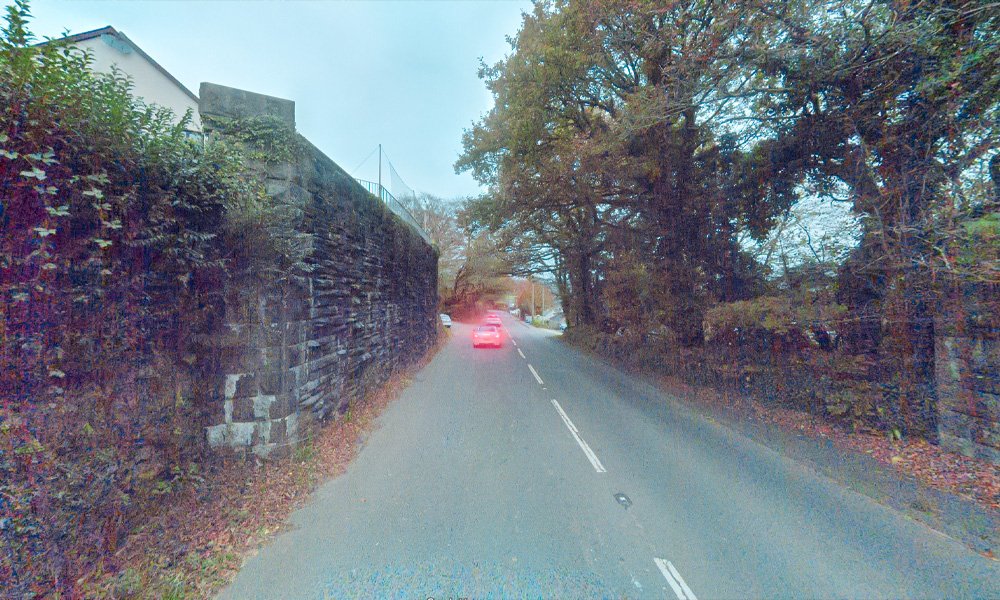
So sorry for the quality of this image, but this seems to be the remains of the bridge that went over the A368 Plymouth to Tavistock road. Sadly, this is the best estimate I can make of the view.
The Station – Then and Now
In conclusion, here is the best I can do with then and now images.
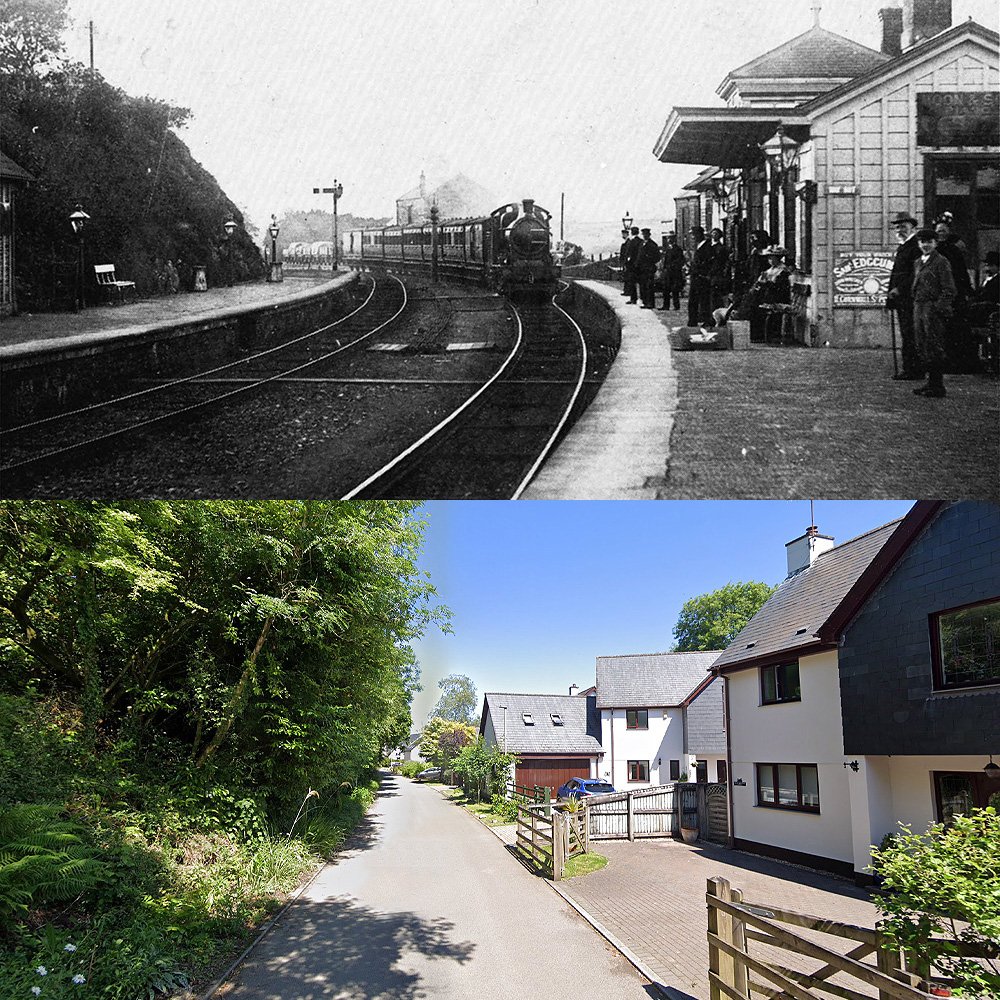
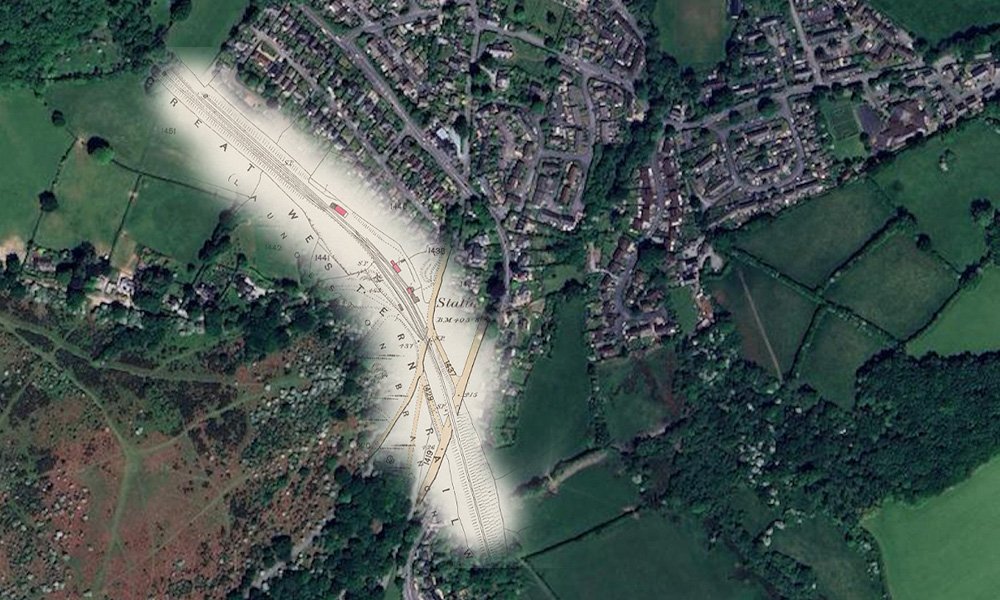
Here you can see it’s very difficult to judge where the station was. The top image is from around 1916, then, 100 years later, there is nothing left.
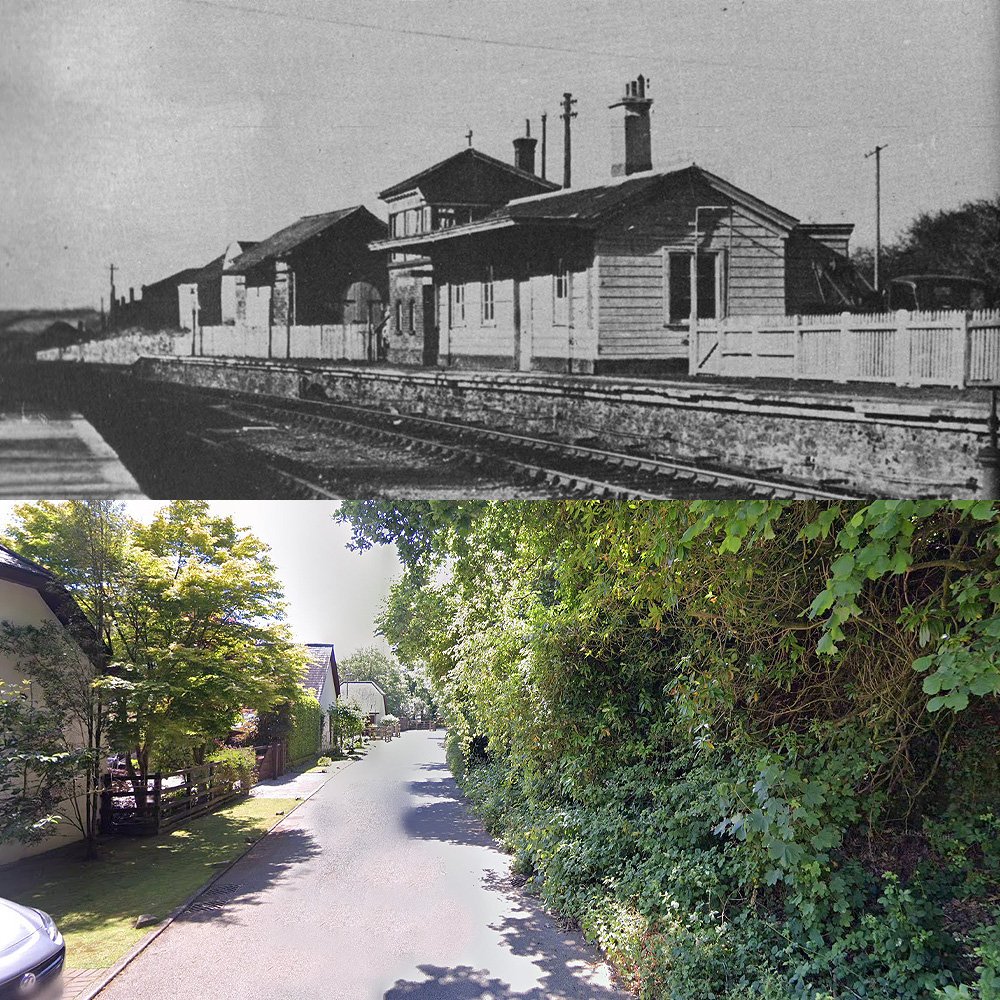
Here is another estimate. The left hand side has ‘new’ houses, but the right is completely overgrown and nothing of the platform is left.
Up Next
Sadly, Horrabridge is another station where there is nothing left today. You can still walk most of the route, but some of the areas, like Yelverton, are in private hands.
Next on the Plymouth to Launceston railway branch line is Whitchurch Down. The next blog post won’t be the longest, as I don’t have many images of Whitchurch, but it’s still nice to remember the stations. You can see an hour long video about Plymouth to Launceston via Tavistock South on my YouTube Channel.
As always, I want to thank Anthony Kingdom for use of the images from his books The Plymouth Tavistock and Launceston Railway, and also to Middleton Press for use of the images from their book Branch Lines to Launceston and Princetown.