
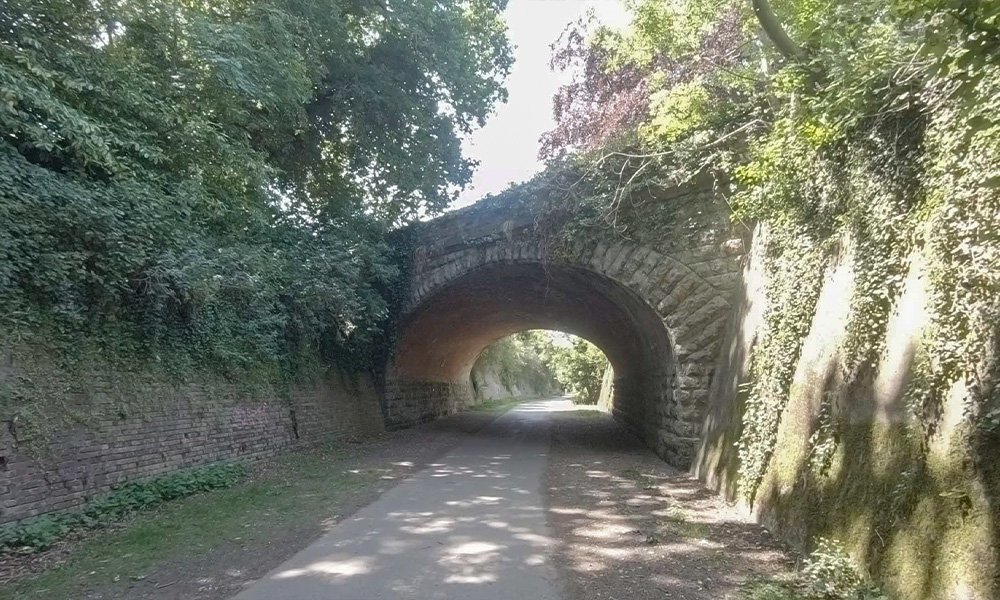
To have a break from my normal blog plots, and continuing my own learning about the history of the railway. For this post, I wanted to see what old branch lines could still be accessed in the UK? Oh, and if you are wondering, the main header image is of the railway that ran from Yeovil to Taunton, Somerset. It’s just down the road from me, in Nine Springs in Yeovil.
You spot an old branch line railway trackbed disappearing into the woods or crossing open fields. It looks perfect for a peaceful walk — flat, traffic-free, and full of history. But can you actually walk along disused railway lines in the UK? The short answer is: sometimes yes, sometimes no. It all depends on whether the route has become an official path.
Britain closed thousands of miles of railway lines after the 1963 Beeching Report. Many tracks vanished, but campaigners, local councils, and charities rescued over 4,000 miles and turned them into walking and cycling trails. These “rails to trails” routes now offer some of the easiest and most scenic walks in the country. You stroll along former trackbeds where trains once rattled past, often with gentle gradients that suit everyone from families to wheelchair users.

Organisations like Sustrans created the National Cycle Network, which incorporates many of these old railway lines. Local authorities also converted disused routes into public footpaths, bridleways, or greenways. When the tracks come up and someone designates the land as a right of way, you gain legal access to walk (and usually cycle) freely.
Where can you walk?
The Camel Trail in Cornwall follows an old line through wooded valleys and along the Camel Estuary — perfect for a relaxed day out. In the Peak District, the Monsal Trail takes you through dramatic limestone dales and across impressive viaducts. Down south, the Cuckoo Trail in East Sussex winds 11 miles from Heathfield to Polegate. Up north, the Deeside Way in Aberdeenshire stretches over 40 miles along a route once used by royalty heading to Balmoral. Other favourites include the Tissington Trail in Derbyshire, the Downs Link in Surrey and Sussex, and the Brampton Valley Way in Northamptonshire.
These trails deliver gentle exercise, beautiful countryside, and a fascinating glimpse into industrial history. You pass old railway station platforms, bridges, and tunnels that now form part of the landscape. Many routes stay flat, so you cover good distances without steep climbs.
Not everywhere, though
However, not every disused line welcomes walkers. Most old railways remain privately owned. If tracks still sit in place or the land belongs to Network Rail or another owner without public designation, you have no automatic right to walk there. Stepping onto those sections counts as trespassing. Railway trespass carries a fine of up to £1,000, and it poses real dangers — even on disused lines you might encounter unstable structures, hidden hazards, or occasional maintenance vehicles. Network Rail actively warns people to stay off the tracks for good reason.
So how do you walk safely and legally? Check official sources before you set off. Use Sustrans maps, the Ordnance Survey, or websites like Railway Ramblers and the British Heart Foundation, which list accessible routes. Look for signs marking public rights of way, or search for “railway path” or “greenway” in your area. Apps and local council websites also highlight designated trails.
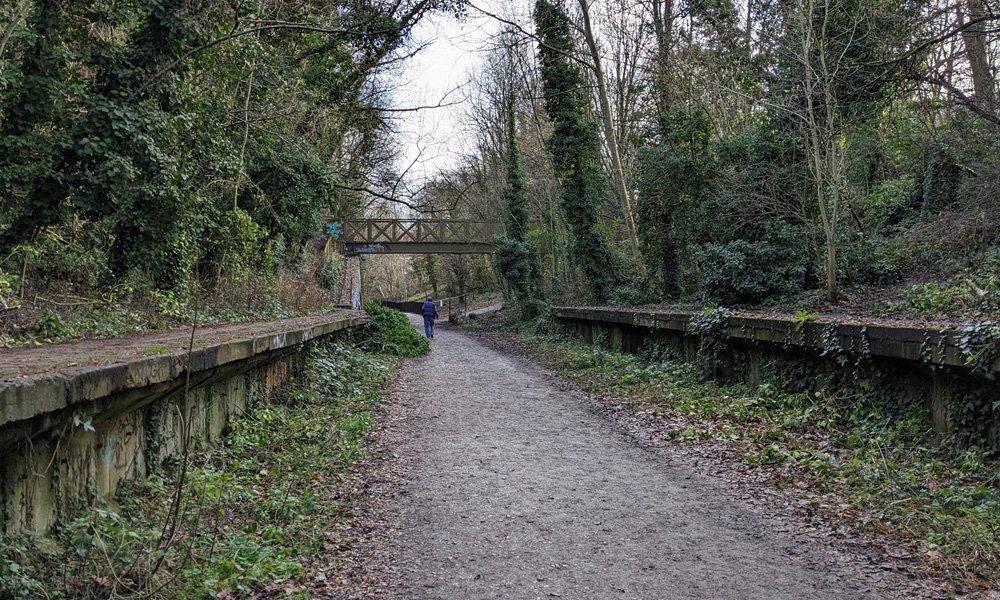
When you choose a proper converted route, you enjoy a stress-free adventure. You breathe fresh air, spot wildlife, and connect with Britain’s railway heritage without breaking any rules. These paths turn forgotten infrastructure into living green corridors that benefit communities and nature alike.
Next time you crave a different kind of walk, hunt down a disused railway trail near you. Pack your boots, grab a map, and discover how the old iron roads have become some of the UK’s best-kept walking secrets.
Have you walked any railway paths? Which one impressed you most? Share your experiences in the comments below!