
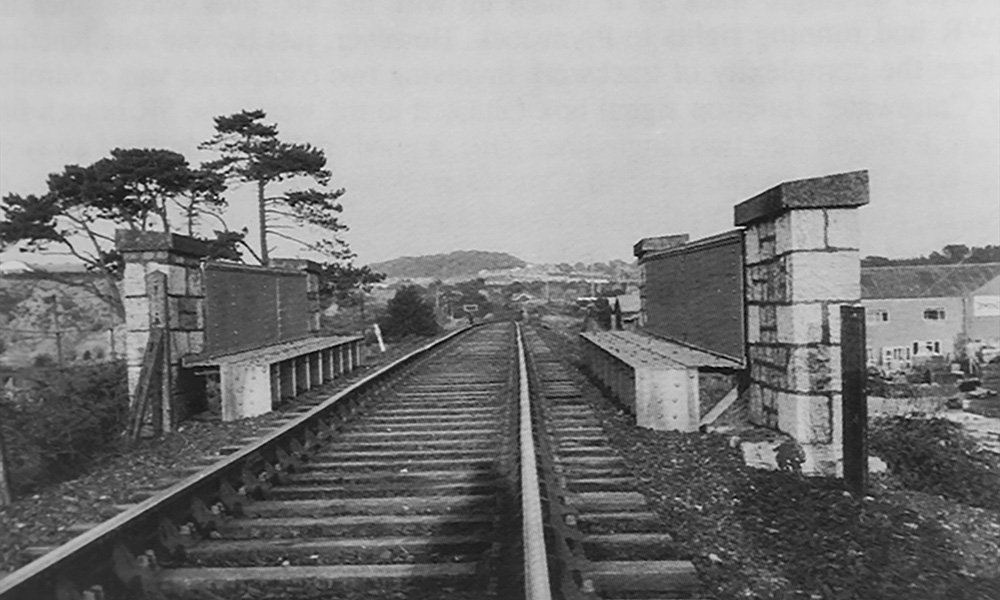
Continuing my investigation bout the closing of the branch lines, I wanted to answer another question: Are branch lines still in use today?
Are Branch Lines Still Active?
Yes, branch lines—those secondary railway routes that diverge from main lines to serve smaller towns, rural areas, industries, or specific locales—are still very much in use today, though their role, scale, and character have evolved significantly since the golden age of rail in the 19th and early 20th centuries.
Branch lines once formed the capillaries of national rail networks, delivering passengers and freight to remote communities where main lines couldn’t reach. Many were built during the railway booms of the Victorian era in Britain. Over time, economic shifts, competition from roads and cars, and changing freight patterns led to widespread closures—most famously the Beeching cuts in the UK during the 1960s, which axed thousands of miles of track deemed unprofitable.
Despite this history of decline, branch lines haven’t vanished. They persist in three main forms: commercial freight operations, passenger services (often subsidized), and heritage/tourist railways. Let’s explore each.
Freight Lines
In freight, branch lines remain essential for serving industries that rely on rail for bulk transport. In the United States, the massive freight network—dominated by Class I railroads like BNSF and Union Pacific—includes countless shorter spurs and branch lines feeding into the main network. Short-line railroads (often with revenues under $20-40 million annually) frequently operate what were once Class I branch lines. These connect factories, grain elevators, mines, or ports to larger hubs. For example, regional carriers like the Reading & Northern or short lines such as the Delaware-Lackawanna run on former branch trackage, providing “last-mile” access that trucks alone can’t match economically for heavy loads.
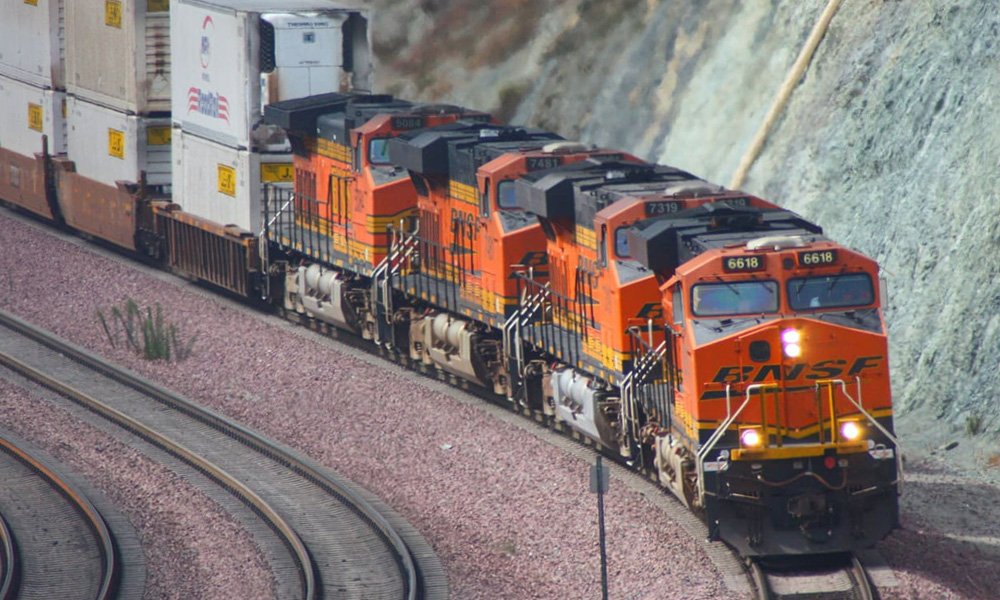
Many modern industrial spurs serve massive facilities needing hundreds or thousands of carloads yearly, proving rail’s efficiency for bulk goods. Even where some older branches have been mothballed (as in parts of North Dakota’s former Great Northern lines), others thrive or get upgraded as secondary mainlines. The FRA’s North American Rail Network maps show these lines as active components of the roughly 140,000-mile U.S. freight system.
Passenger Lines
In passenger terms, some branch lines endure as commuter or regional feeders. Here in the UK, the tiny Stourbridge Town Branch Line—just 0.8 miles long—holds the title of the country’s shortest operational branch, running frequent shuttle services with diesel units. Other examples include branches in Connecticut like the New Canaan, Danbury, and Waterbury lines, which provide Metro-North commuter service to New York. In Europe, branch lines often form part of integrated regional networks, though many rural ones face similar pressures from buses or cars.
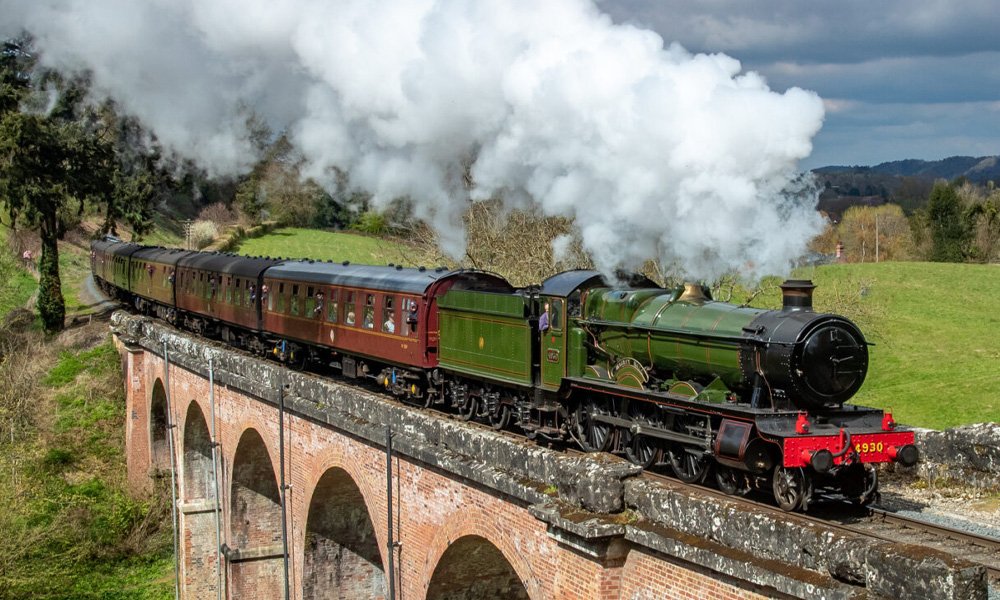
Heritage railways represent perhaps the most visible revival of branch lines. In the UK especially, volunteers and preservation societies rescued abandoned routes post-Beeching, turning them into tourist attractions that recreate steam-era operations. Lines like the Severn Valley Railway or North Yorkshire Moors Railway draw millions of visitors annually, blending nostalgia with economic benefits through tourism. Some even run occasional commercial freight or mix heritage with modern services. Globally, heritage operations preserve history while keeping infrastructure alive—sometimes blurring into light commercial use.
There are also innovative proposals to reinvigorate disused branches. Concepts like Very Light Rail (VLR) in the UK aim to use low-cost, lightweight vehicles to reopen lines economically for passenger service, potentially breathing life into routes closed decades ago.
Gone, but Not Forgotten
In summary, while branch lines no longer dominate rail networks as they once did, they are far from obsolete. Freight branch lines, provide vital, cost-effective connections for industries. In passenger rail, select ones support local mobility, often with public backing. And through heritage efforts, many live on as cherished pieces of transport history.
Their future may hinge on sustainability goals—rail remains far greener than road haulage for many tasks—and targeted investments. Some branches could see renewed purpose in low-carbon logistics or regional connectivity. Others will continue as nostalgic escapes or quiet industrial lifelines.
So, are branch lines still in use today? Absolutely. They may be fewer and more specialized, but they endure as resilient threads in the global rail tapestry—proving that even the smallest spurs can still carry weight.
I hope you found that an interesting read. I plan on doing more research about British freight lines, but I’ve found they are popular as they once were. I’ll be back to posting about the lost railway stations on the Plymouth to Launceston branch line, next up was Mary Tavy.